
Root canal treatment is one of the most common dental procedures performed worldwide. Despite its reputation for being intimidating, it is a safe and effective way to save a damaged or infected tooth and prevent further oral health complications. Understanding what root canal treatment involves, what to expect during the procedure, and the benefits can help patients feel more at ease and make informed decisions about their dental care.
What Is Root Canal Treatment?
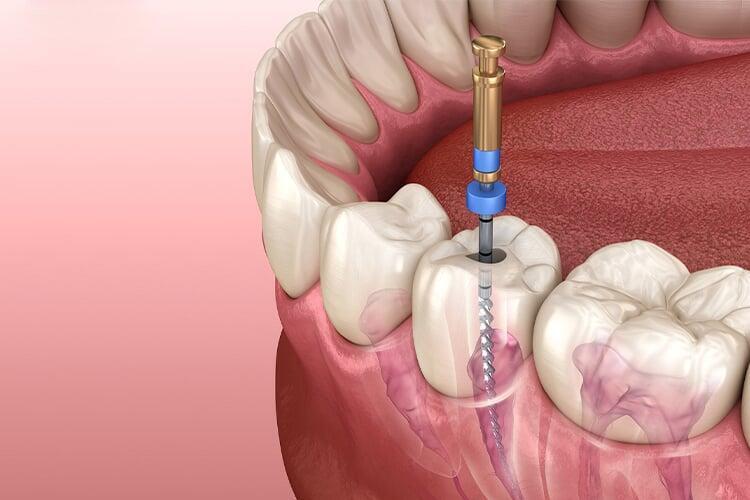
A root canal is a dental procedure that removes infected or inflamed pulp from inside the tooth. The pulp contains nerves, blood vessels, and connective tissue that help the tooth develop, but once infected, it can cause severe pain and abscesses. During treatment, the dentist cleans and disinfects the canals inside the tooth, then fills and seals them to prevent reinfection. Finally, a crown or filling restores the tooth’s strength and function.
Why Is Root Canal Treatment Needed?
Root canal treatment is recommended when the tooth pulp becomes infected or inflamed due to:
* Deep Tooth Decay: Cavities that reach the inner pulp.
* Cracks or Chips: Damage that exposes the pulp to bacteria.
* Repeated Dental Procedures: Multiple treatments on a single tooth can irritate the pulp.
* Trauma or Injury: Accidents that damage the tooth or pulp.
If left untreated, an infected tooth can lead to severe pain, swelling, and even bone loss around the tooth.
What to Expect During the Procedure
1. Consultation and Examination
The dentist examines the tooth, takes X-rays, and assesses the extent of the infection or damage. This helps plan the treatment and ensure the tooth can be saved.
2. Local Anesthesia
The affected tooth and surrounding area are numbed with local anesthesia to ensure a painless procedure. Sedation options may also be offered for anxious patients.
3. Access Opening
A small opening is made in the crown of the tooth to access the infected pulp.
4. Cleaning and Shaping
The dentist removes the infected pulp and thoroughly cleans the canals. The canals are then shaped to prepare them for filling.
5. Filling the Canals
The cleaned canals are filled with a biocompatible material, usually gutta-percha, to seal the tooth and prevent future infection.
6. Restoration
A crown or filling is placed to restore the tooth’s strength, function, and appearance.
Recovery After Root Canal Treatment
Most patients experience mild soreness or sensitivity for a few days, which can be managed with over-the-counter pain relievers. It is important to maintain good oral hygiene, avoid chewing hard foods on the treated tooth until fully restored, and attend follow-up appointments to ensure proper healing.
Benefits of Root Canal Treatment
* Pain Relief: Eliminates severe toothache caused by infection or inflammation.
* Preserves Natural Teeth: Maintains your natural tooth, avoiding extraction and preventing bone loss.
* Prevents Infection Spread: Stops infection from spreading to surrounding teeth and gums.
* Restores Function: Allows normal chewing, biting, and speaking.
* Improves Aesthetics: A crown or filling restores the tooth’s appearance for a natural smile.
Tips for Long-Term Success
* Brush and floss regularly to prevent decay and gum disease.
* Avoid chewing extremely hard foods on the treated tooth until fully restored.
* Attend regular dental check-ups for monitoring.
* Report any unusual pain or swelling to your dentist promptly.
Root canal treatment is a highly effective and reliable procedure for saving infected or damaged teeth. By addressing the problem early, you can relieve pain, prevent further complications, and maintain a healthy, functional smile. With modern techniques and proper aftercare, root canal-treated teeth can last a lifetime, allowing you to eat, speak, and smile with confidence. Don’t let fear of the procedure prevent you from seeking timely dental care—root canals are a safe and essential solution for long-term oral health.