
Suffering from Tooth Decay? Understanding Dental Caries
Here’s what you need to know about tooth decay (tooth caries), for patients in Chandigarh, Mohali and Panchkula.
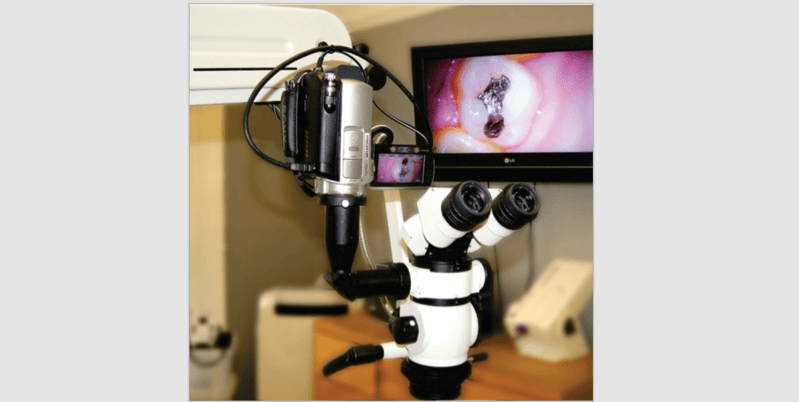
Tooth decay is also known as Tooth Caries or Dental Caries or Cavities and is the breakdown of the tooth structure due to bacterial action. The food debris or sugar on the surface of the tooth is the cause of bacterial action. It may be accompanied by pain, sensation in your teeth while having a hot coffee, warm tea, cold beverage or a cold ice cream, or even severe pain in your tooth.
Tooth caries is one of the most prevalent dental problems. Proper diagnosis is essential before adopting the treatment approach. If you’re dealing with tooth caries and facing problems, contact us to schedule a checkup.
What Causes Tooth Caries (Tooth Decay)?
Your problem of tooth cavities starts when acids are released by bacteria to absorb food debris and sugars on the tooth surface, exposing the underlying surface called dentin.
Tooth caries usually happens because of the following:
- There are certain types of bacteria which are mostly associated with dental cavities. They usually colonise in dental plaque and are highly cariogenic, driven by frequent food intake or inadequate toothbrushing.
- Frequent sugar intake is also one of the causes of a high occurrence of tooth cavities.
- The frequency with which teeth are exposed to cariogenic (acidic) environments affects the likelihood of caries development. Since teeth are vulnerable during these acidic periods, the development of dental caries relies heavily on the frequency of acid exposure.
- Certain individuals are at a greater risk for cavities.
- Other factors like diabetes, smoking, chewing tobacco, etc.
Signs and Symptoms of Tooth Caries
Chalky white spot on Tooth
Cavity in Tooth
Pain in Tooth
Sensitivity
Bad Breath
Brown-Black discolouration
How to Care for Your Teeth
- Brush your teeth at least 2 times a day for 2-3 minutes.
- Floss regularly.
- Consult your dentist once every 6 months for routine preventive care.
- Follow all dentist recommendations and treatment plans.

Home Remedies to Avoid Dental Caries
If your teeth are having cavities and causing discomfort, schedule an appointment. There may be an underlying concern that needs to be addressed before it could lead to other issues.
In addition to your doctor-recommended instructions, try these at-home care tips:
- Rinse with lukewarm salt water. Read in detail about how to use warm salt water.
- Avoid spicy or acidic foods and drinks. Prefer fruits and vegetables.
- Chew sugar-free gum.
- Take plenty of vitamin D.
- Brush your teeth with fluoride-based toothpaste.
- Reduce sugary products.
- Swish sesame or coconut oil in your mouth for about 20 minutes, then spit it out.

Sensitivity is one of the signs of tooth caries listed above.
How to Treat Teeth Sensitivity
To treat sensitive teeth, it is essential for you to know what’s going on in your mouth. For example, if gum disease or gum recession is to blame, you may require laser therapy, a gum graft, or other periodontal treatment.
The best dental health solutions are custom-crafted to your situation. Whether you experience mild or advanced sensitivity, we can help. Schedule an appointment at our office.
Learn more about sensitive teethGet Help for Tooth Decay in Chandigarh
Book a cavity assessment at ADC, #1197, Sector 21-B, Chandigarh 160022. Patients visit us from across the Tricity, including Mohali and Panchkula.




 International Team for Implantology
 ISO 9001:2015 Certified
 OHSAS Certified
 Academy of Osseo-Integration
 Indian Prosthodontics Society
 Indian Endodontic Society
 Women Implantology Network
 Indian Dental Association







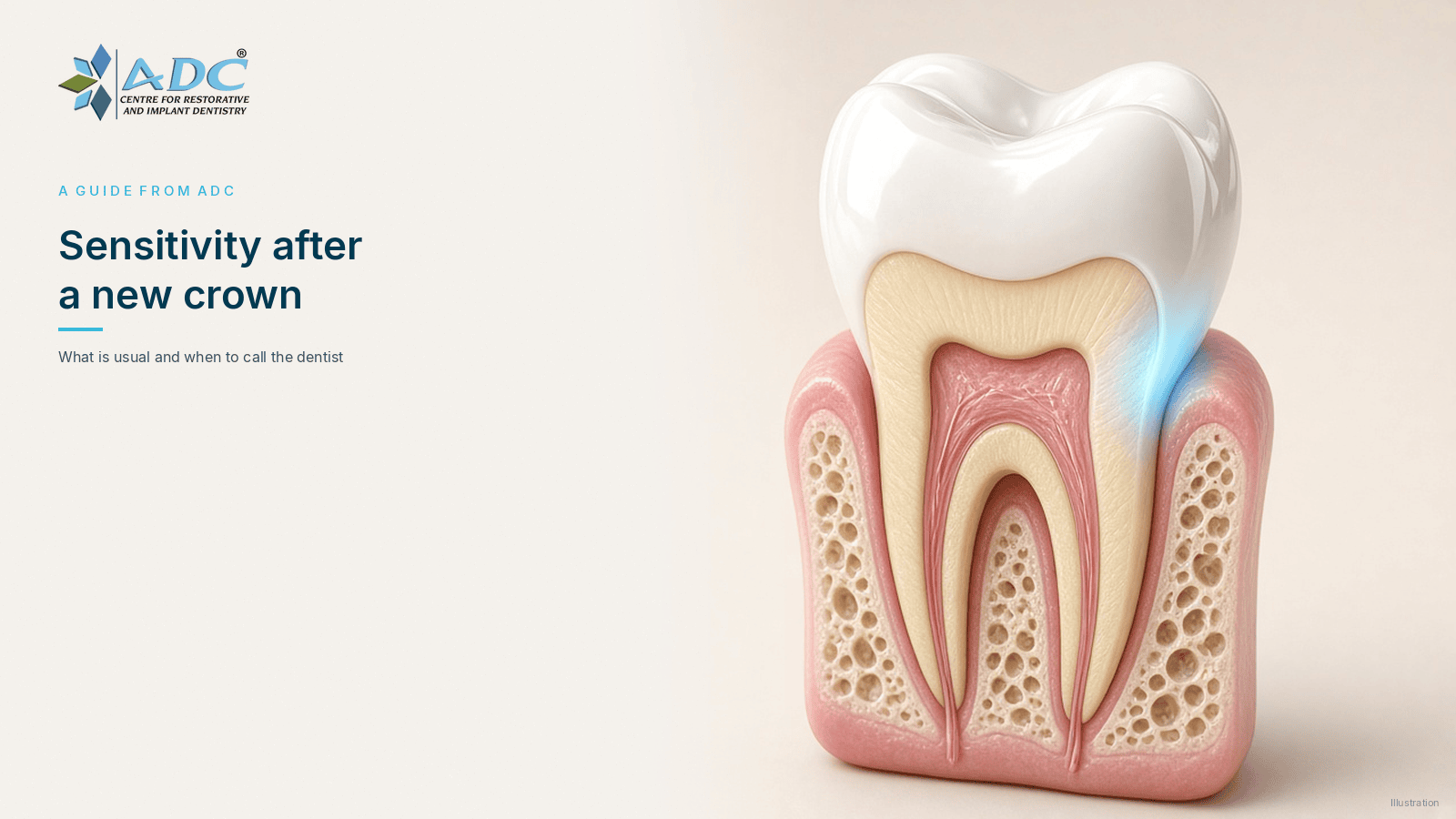 Sensitivity after a new crown: what is usual and when to call the dentist
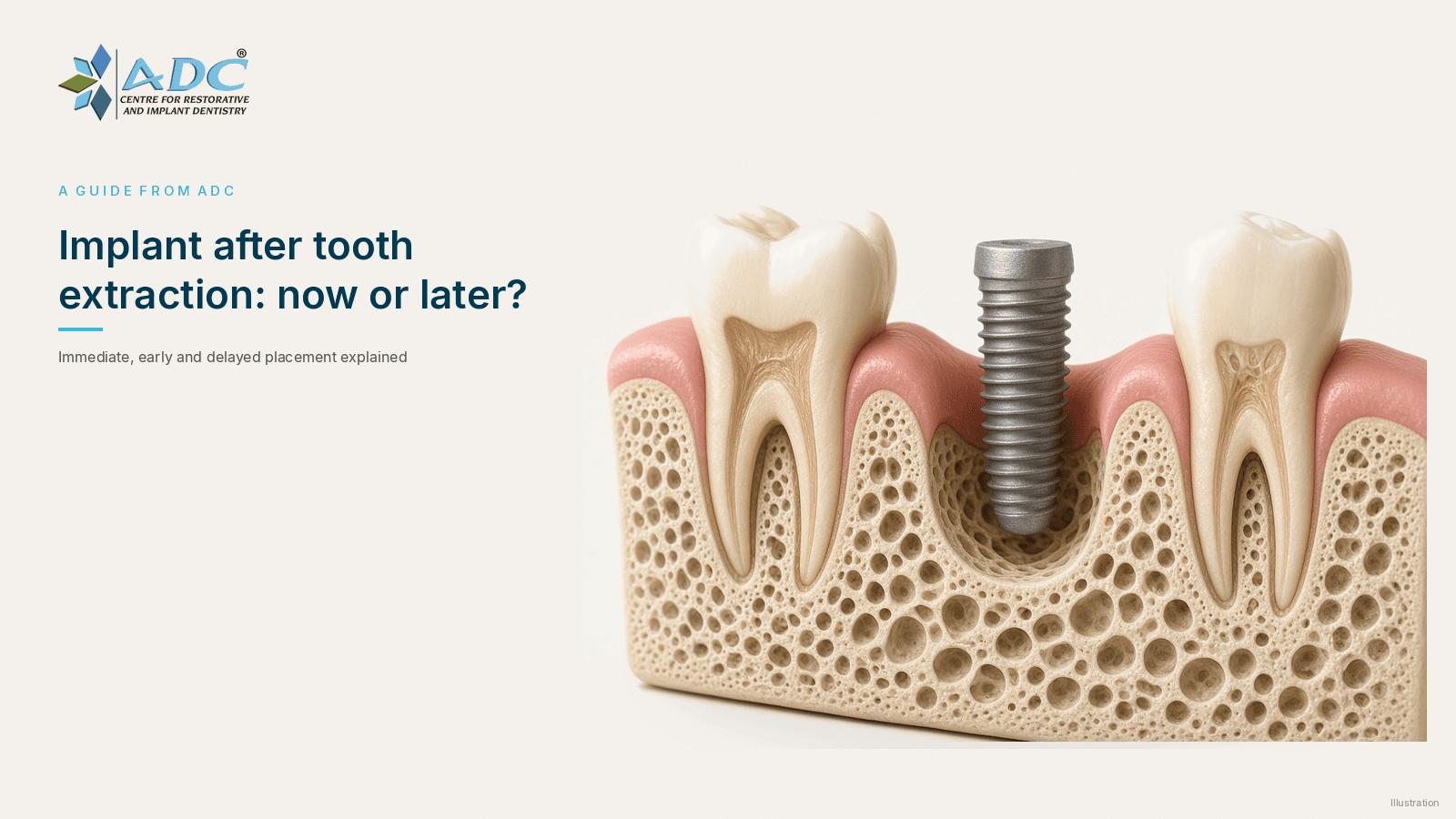 Dental implant after tooth extraction: immediate or delayed placement?
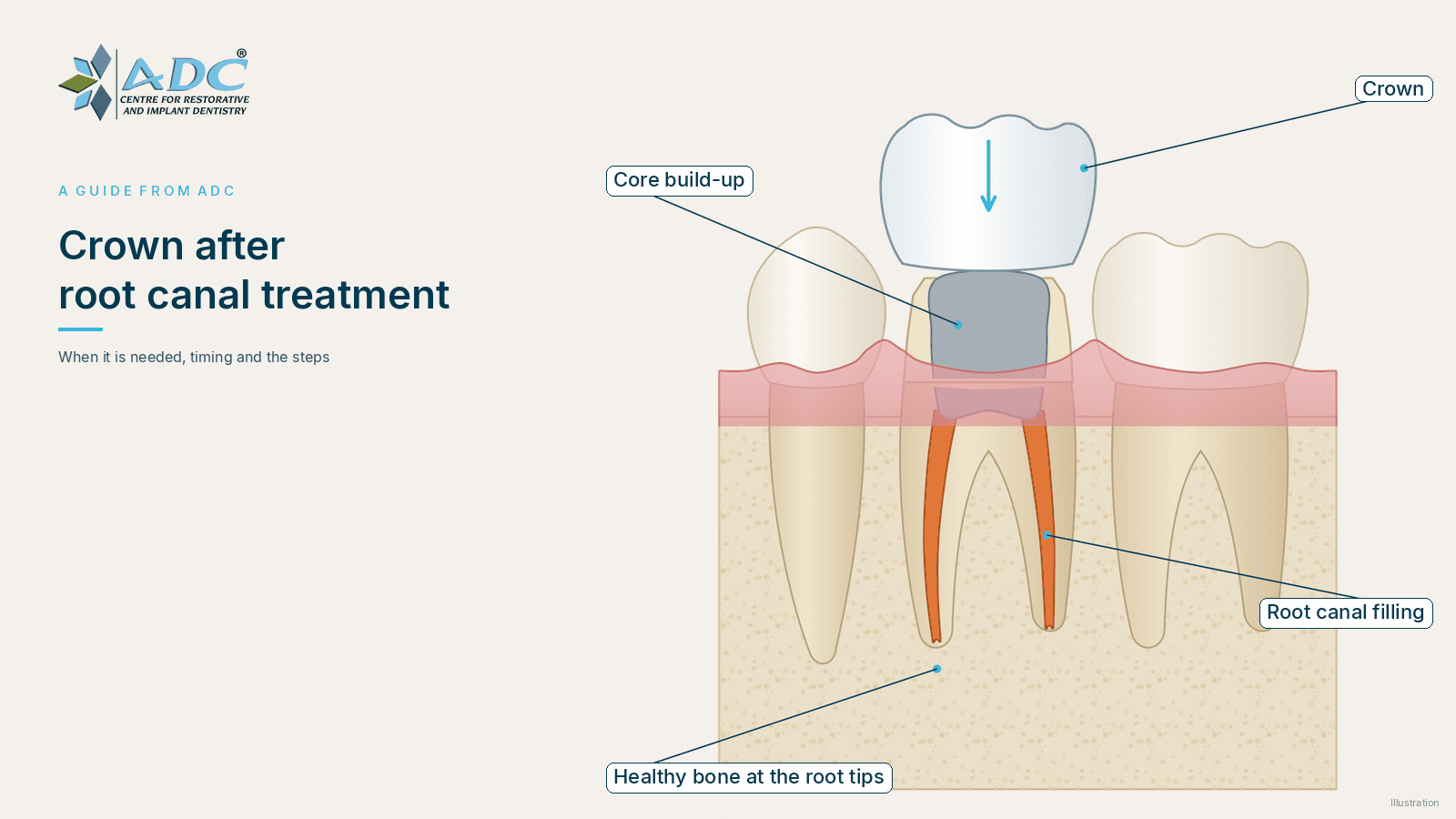 Do you need a crown after root canal treatment?