
Tooth extraction is one of the most common dental procedures, often necessary when a tooth is severely damaged, decayed, infected, or causing crowding. While the thought of extraction can make many patients anxious, modern dentistry has made the process quick, safe, and virtually painless. Understanding each step can help you feel more confident and prepared.
Why Tooth Extraction Is Needed
Dentists may recommend removal in cases such as:
* Severe tooth decay or infection
* Advanced gum disease
* Fractured or non-restorable teeth
* Wisdom tooth impaction
* Orthodontic reasons (crowding)
Regardless of the reason, the goal is to protect your oral health and prevent complications.
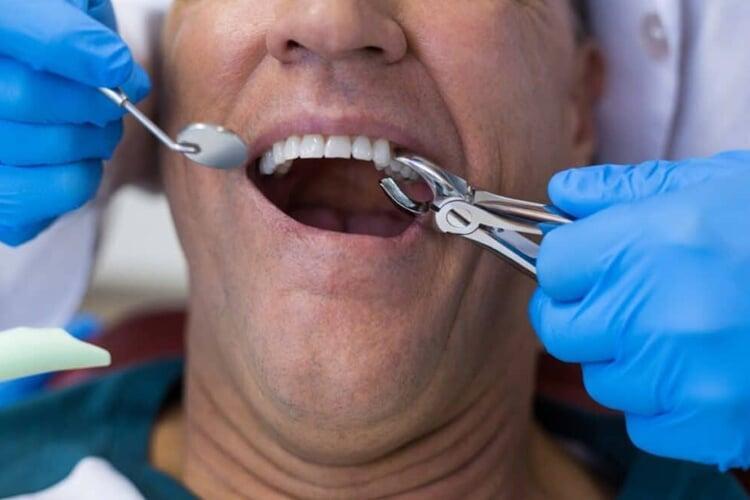
Step-by-Step: What Happens During a Tooth Extraction
1. Clinical Examination & X-Ray
Your dentist begins with a complete evaluation and an X-ray to study the tooth’s position, bone support, and root shape. This ensures a safe and planned extraction.
2. Local Anesthesia for a Pain-Free Experience
A local anesthetic is administered to numb the area. Most patients feel only pressure—not pain—during the procedure.
3. Loosening the Tooth
Using specialized instruments, the dentist gently loosens the tooth from its socket. For simple extractions, this step alone is often enough.
4. Surgical Extraction (If Required)
If the tooth is impacted or broken, a minor surgical approach is used. This may involve a small incision or sectioning the tooth for safe removal. Even surgical extractions are comfortable due to modern techniques.
5. Removal & Cleaning of the Socket
Once the tooth is removed, the socket is cleaned to eliminate infection-causing debris. In some cases, a bone graft may be placed to preserve bone for future implants.
6. Sutures & Gauze Placement
If needed, stitches are placed. A gauze pad helps control bleeding and form a healthy clot.
Recovery Tips for Smooth Healing
Following proper aftercare ensures a fast and complication-free recovery:
✔ Bite on gauze for 30–45 minutes
This helps control bleeding and promotes clot formation.
✔ Avoid spitting, rinsing, or using a straw for 24 hours
Such actions can dislodge the clot and cause dry socket.
✔ Apply ice packs
Reduces swelling during the first 24 hours.
✔ Take prescribed medications
Painkillers and antibiotics should be taken as advised.
✔ Stick to soft foods
Soups, yogurt, mashed potatoes, and smoothies are ideal for the first two days.
✔ Maintain oral hygiene carefully
Avoid the surgical site but keep the rest of your mouth clean.
✔ Avoid smoking and alcohol
These delay healing and increase the risk of infection.
With the right dentist and proper aftercare, tooth extraction is a smooth and safe procedure. Understanding the process removes fear and empowers you to take better control of your oral health. If you’re experiencing pain or suspect a tooth needs removal, consult your dentist promptly for expert guidance and care.