Maintaining good oral health is about much more than having a bright smile. Your teeth and gums play a major role in your overall health, confidence, and daily comfort. One of the most common questions people ask is: “How often should I really visit the dentist?” While many people have heard the standard advice of visiting twice a year, the truth is that the ideal frequency can vary depending on your individual oral health needs.
The General Recommendation: Every Six Months
Most dentists recommend visiting the dental clinic every six months for a routine dental check-up and professional cleaning. These regular visits help prevent common dental problems such as cavities, gum disease, plaque buildup, and bad breath.
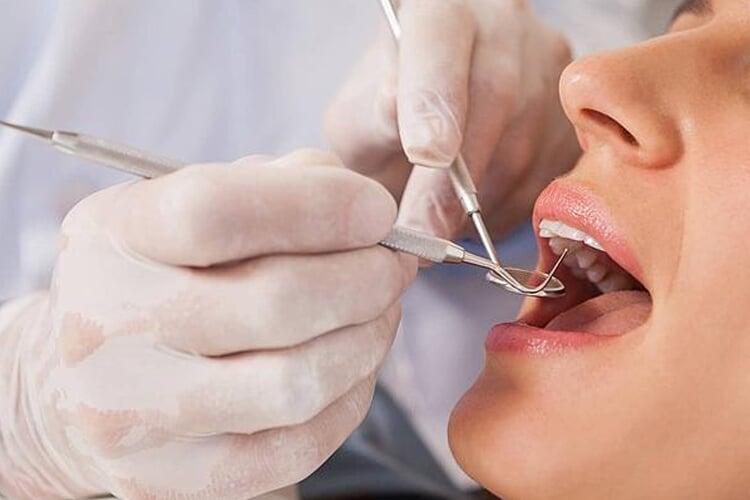
During a routine appointment, your dentist will:
- Examine your teeth and gums
- Check for cavities or tooth decay
- Look for signs of gum disease
- Screen for oral cancer
- Remove plaque and tartar buildup
- Provide professional teeth cleaning
- Suggest preventive care or treatments if needed
Even if your teeth feel perfectly fine, dental issues can develop silently without obvious pain or symptoms. Regular check-ups help catch problems early before they become serious and expensive to treat.
Why Regular Dental Visits Matter
Many people only visit the dentist when they experience pain or discomfort. Unfortunately, by the time a tooth starts hurting, the issue may already be advanced.
Routine dental visits help in:
Preventing Tooth Decay
Plaque buildup can lead to cavities if not removed properly. Professional cleanings remove hardened tartar that brushing and flossing cannot eliminate at home.
Preventing Gum Disease
Gum disease often begins silently with mild bleeding or swollen gums. If untreated, it can lead to tooth loss and even affect overall health.
Detecting Oral Health Problems Early
Dentists can identify issues like cracked teeth, infections, bite problems, and oral cancer at an early stage when treatment is easier and more effective.
Saving Money in the Long Run
Preventive care is always more affordable than major dental procedures such as root canals, implants, or gum surgery.
Some People Need More Frequent Visits
Although twice-yearly visits work well for many individuals, some people may need to see the dentist more often depending on their oral health condition and lifestyle habits.
You may require dental visits every 3–4 months if you:
- Have gum disease or a history of periodontal problems
- Frequently develop cavities
- Smoke or use tobacco products
- Have diabetes
- Wear braces or aligners
- Have a weakened immune system
- Experience dry mouth
- Are pregnant
- Have excessive plaque buildup
Your dentist will create a personalized schedule based on your dental health needs.
What Happens If You Skip Dental Check-Ups?
Skipping dental visits for years can lead to multiple oral health complications. Small cavities may become large infections, and minor gum inflammation can progress into severe periodontal disease.
Common consequences of avoiding the dentist include:
- Tooth pain and sensitivity
- Bad breath
- Bleeding gums
- Tooth loss
- Expensive treatments
- Difficulty chewing
- Jaw problems
- Lower confidence due to poor smile appearance
In some cases, oral infections can even impact overall body health, increasing risks linked to heart disease and diabetes complications.
Children and Dental Visits
Children should begin visiting the dentist early to establish healthy oral care habits. Most dental professionals recommend that a child’s first dental visit should happen within six months of the first tooth appearing or by their first birthday.
Regular pediatric dental visits help:
- Monitor tooth development
- Prevent cavities
- Educate parents about oral hygiene
- Build comfort and confidence around dental care
Developing positive dental habits at a young age can prevent long-term oral health problems later in life.
Signs You Should Visit the Dentist Immediately
Even if your next routine appointment is months away, you should schedule a dental visit immediately if you notice:
- Persistent tooth pain
- Swollen or bleeding gums
- Loose teeth
- Mouth sores that do not heal
- Sensitivity to hot or cold
- Jaw pain
- Broken or chipped teeth
- Bad breath that doesn’t improve
Ignoring these symptoms may allow the problem to worsen over time.
Tips to Maintain Healthy Teeth Between Visits
Dental appointments are important, but daily oral hygiene matters just as much. To keep your teeth and gums healthy between visits:
- Brush twice daily with fluoride toothpaste
- Floss every day
- Limit sugary foods and drinks
- Drink plenty of water
- Avoid smoking and tobacco
- Replace your toothbrush every 3 months
- Eat a balanced diet rich in calcium and vitamins
Consistency in oral care significantly reduces the risk of dental problems.
So, how often should you really visit the dentist? For most people, every six months is the ideal schedule for maintaining strong teeth and healthy gums. However, some individuals may require more frequent visits depending on their dental condition and medical history.
The key is not to wait for pain before seeing a dentist. Preventive dental care helps detect problems early, saves money, and keeps your smile healthy for years to come. A simple dental check-up today can prevent major dental complications tomorrow.