Why Do Gums Bleed?
1. Poor Oral Hygiene and Plaque Buildup
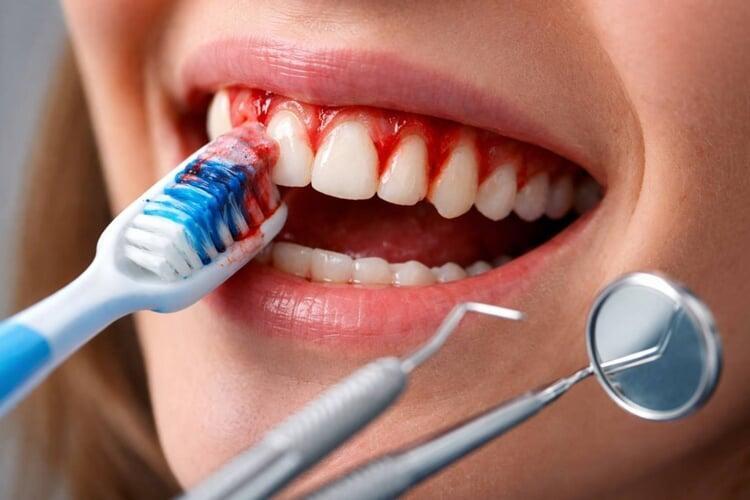
The most common cause of bleeding gums is plaque buildup along the gum line. Plaque is a sticky film of bacteria that forms on teeth when brushing and flossing are inadequate. Over time, plaque hardens into tartar, irritating the gums and causing inflammation known as gingivitis. Bleeding during brushing or flossing is often the first sign of this condition.
2. Gum Disease (Gingivitis and Periodontitis)
If gingivitis is left untreated, it can progress to periodontitis, a more serious form of gum disease. In periodontitis, the gums pull away from the teeth, creating pockets that collect bacteria. This can lead to persistent bleeding, gum recession, loose teeth, and even tooth loss. Early treatment is essential to prevent permanent damage.
3. Aggressive Brushing or Improper Flossing
Using a hard-bristled toothbrush or brushing too forcefully can damage gum tissue and cause bleeding. Similarly, incorrect flossing techniques can injure the gums. Gentle brushing with a soft-bristled toothbrush and proper flossing methods help protect the gums while keeping them clean.
4. Hormonal Changes
Hormonal fluctuations during pregnancy, puberty, menstruation, or menopause can make gums more sensitive and prone to bleeding. Pregnancy gingivitis is especially common and requires regular dental monitoring to maintain gum health.
5. Nutritional Deficiencies
A lack of essential nutrients—especially vitamin C and vitamin K—can weaken gum tissue and increase the likelihood of bleeding. A balanced diet plays a key role in maintaining healthy gums and overall oral health.
6. Medical Conditions and Medications
Certain health conditions, such as diabetes, blood disorders, and immune system diseases, can contribute to bleeding gums. Additionally, medications like blood thinners, anti-epileptics, and some heart medications may increase gum bleeding. Informing your dentist about your medical history is important for accurate diagnosis.
When Should You See a Dentist?
Occasional bleeding that resolves with improved oral hygiene may not be serious. However, you should consult a dentist if:
* Gums bleed frequently or spontaneously
* Bleeding is accompanied by swelling, redness, or pain
* You have persistent bad breath or a bad taste in the mouth
* Gums appear to be receding
* Teeth feel loose or sensitive
Early dental evaluation can prevent minor issues from developing into advanced gum disease.
How Bleeding Gums Are Treated
Preventing Bleeding Gums
Good oral hygiene is the foundation of gum health. Brush twice daily with a soft toothbrush, floss regularly, maintain a balanced diet, and schedule routine dental check-ups. Quitting smoking and managing systemic conditions like diabetes also reduce the risk of gum problems.
Bleeding gums are often a sign that your gums need attention. While the cause may be minor, persistent bleeding should never be ignored. Early diagnosis and treatment by a dentist can restore gum health, prevent tooth loss, and protect your overall well-being. If your gums bleed regularly, consider it your body’s way of asking for professional care.