Dental crowns and bridges are excellent restorative solutions designed to repair damaged teeth and replace missing ones. They restore function, improve appearance, and protect your oral health. However, just like natural teeth, crowns and bridges require proper care to ensure they last for many years.
In this blog, we’ll share expert dentist tips on how to care for your dental crowns and bridges to maximize their lifespan and maintain a healthy smile.
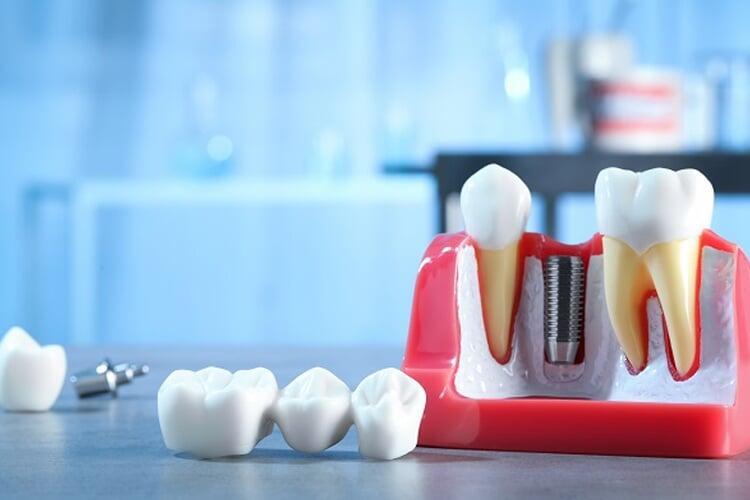
What Are Dental Crowns and Bridges?
A dental crown is a tooth-shaped cap placed over a damaged or weakened tooth to restore its shape, size, strength, and appearance. Crowns are commonly used after root canal treatment or for severely broken teeth.
A dental bridge is used to replace one or more missing teeth. It consists of artificial teeth supported by crowns placed on the adjacent natural teeth or implants.
Both crowns and bridges are made from materials like porcelain, ceramic, metal, or zirconia, designed to blend naturally with your teeth.
How Long Do Crowns and Bridges Last?
Good maintenance significantly reduces the risk of decay around the supporting teeth and gum problems.
Daily Oral Hygiene Tips
Brush Twice Daily
Even though crowns and bridges are artificial, the supporting teeth underneath are still vulnerable to decay. Brush at least twice a day using a soft-bristled toothbrush and fluoride toothpaste.
Pay extra attention to the gumline where plaque tends to accumulate.
Floss Carefully
Flossing is essential, especially for bridges. Food particles can get trapped under the artificial tooth (pontic). Use:
Floss threaders
Super floss
Interdental brushes
These tools help clean underneath the bridge and prevent gum disease.
Use an Antibacterial Mouthwash
An alcohol-free antibacterial mouthwash helps reduce plaque buildup and keeps your gums healthy.
Foods to Avoid
While crowns and bridges are strong, they are not indestructible. Avoid:
Very hard foods (ice, hard candies, nuts)
Sticky foods (caramel, chewing gum)
Excessively crunchy snacks
These can loosen or damage the restoration.
If you grind your teeth at night (bruxism), your dentist may recommend a night guard to protect your crowns and bridges.
Protecting Your Gums Is Key
Healthy gums are crucial for the success of crowns and bridges. Gum disease can weaken the supporting teeth and lead to restoration failure.
Watch for warning signs like:
Bleeding gums
Swelling
Bad breath
Gum recession
If you notice these symptoms, consult your dentist promptly.
Regular Dental Check-Ups
Routine dental visits every six months are essential. During these visits, your dentist will:
Check the condition of your crown or bridge
Ensure proper fit and alignment
Remove plaque and tartar buildup
Detect early signs of decay or gum disease
Common Problems and How to Handle Them
Sensitivity
Mild sensitivity after crown placement is normal and usually subsides within a few weeks. Use desensitizing toothpaste if needed.
Loosening
If your crown or bridge feels loose, avoid chewing on that side and schedule a dental visit immediately. Early correction prevents further damage.
Chipping or Cracking
Minor chips can sometimes be repaired. However, severe damage may require replacement.
Never ignore discomfort or unusual changes.
Can Crowns and Bridges Get Cavities?
The crown itself cannot decay, but the natural tooth underneath can. Poor oral hygiene can lead to decay at the margin where the crown meets the tooth.
This is why brushing, flossing, and professional cleanings are critical.
Tips for Long-Term Success
Maintain consistent oral hygiene
Avoid using teeth as tools (opening bottles, tearing packets)
Wear a mouthguard during sports
Address teeth grinding early
Follow your dentist’s instructions carefully
Small habits make a big difference in extending the lifespan of your dental restorations.
When Should a Crown or Bridge Be Replaced?
Over time, crowns and bridges may need replacement due to:
Wear and tear
Gum recession
Damage or fracture
Decay in supporting teeth
If you experience persistent pain, bad odor, or visible damage, consult your dentist.
Dental crowns and bridges are durable, functional, and aesthetically pleasing solutions for damaged or missing teeth. However, their longevity depends largely on how well you care for them.
Good oral hygiene, regular dental visits, and mindful eating habits ensure your crowns and bridges stay strong and beautiful for years to come.
If you have recently received a crown or bridge—or are planning to—consult your dentist for personalized care instructions. Investing in proper maintenance today will save you from costly repairs tomorrow and keep your smile healthy and confident.