Your gums play a crucial role in protecting your teeth and supporting overall oral health. However, when the gum tissue surrounding your teeth begins to wear away or pull back, it exposes more of the tooth surface—or even the roots. This condition, known as gum recession or receding gums, can lead to sensitivity, decay, and even tooth loss if not addressed in time. Understanding the causes, signs, and symptoms of receding gums is the first step toward prevention and early treatment.
What Are Receding Gums?
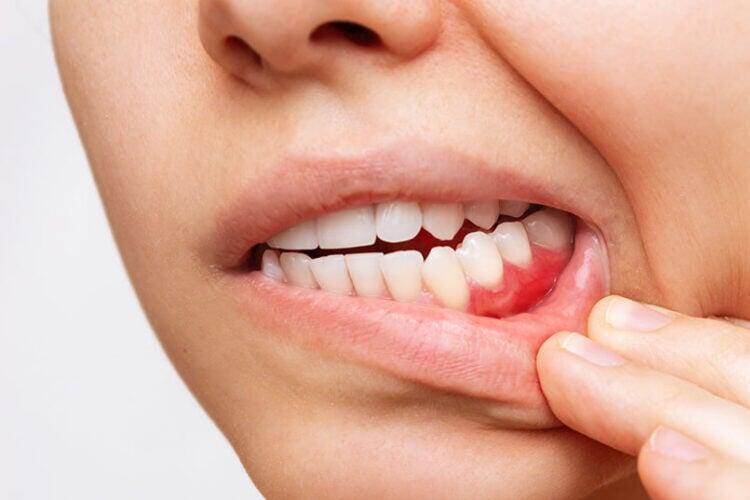
Receding gums occur when the gum tissue that covers the tooth roots gradually pulls away, exposing the underlying dentin. This can create gaps or “pockets” where harmful bacteria accumulate, leading to further tissue and bone damage. Gum recession is a slow and progressive condition, which is why many people don’t notice it until it becomes serious.
Common Causes of Receding Gums
1. Poor Oral Hygiene
Failure to brush and floss regularly allows plaque and tartar to build up along the gumline. The bacteria in plaque cause gum inflammation (gingivitis), which, if untreated, can lead to gum recession.
2. Aggressive Brushing
Brushing your teeth too hard or using a hard-bristled toothbrush can wear down the enamel and irritate the gums, causing them to recede over time.
3. Gum Disease (Periodontal Disease)
This is the leading cause of gum recession. Bacterial infection destroys the supporting gum tissue and bone, leading to tooth mobility and eventual loss if not treated.
4. Genetics
Some individuals are naturally more prone to gum recession due to inherited thin or weak gum tissue.
5. Hormonal Changes
Fluctuations in hormone levels during puberty, pregnancy, or menopause can make gums more sensitive and prone to recession.
6. Teeth Grinding (Bruxism)
Excessive clenching or grinding of teeth exerts pressure on the gums, leading to gradual tissue breakdown.
7. Misaligned Teeth or Bite Issues
Improper alignment can cause uneven stress on certain teeth and gum areas, resulting in localized gum recession.
8. Tobacco Use
Smoking or chewing tobacco decreases blood flow to the gums, making them more susceptible to infection and damage.
Signs and Symptoms of Receding Gums
Recognizing the early signs of gum recession can help you seek treatment before serious damage occurs. Common symptoms include:
* Tooth sensitivity: Increased discomfort when eating or drinking hot, cold, or sweet foods.
* Visible longer teeth: Teeth may appear “longer” as more of the surface becomes exposed.
* Notches near the gumline: Small indentations or grooves may form where the gum has receded.
* Bleeding or swollen gums: Often a sign of gum inflammation or infection.
* Loose teeth: Advanced gum recession can weaken tooth support.
* Persistent bad breath: Caused by trapped bacteria in gum pockets.
Why Early Detection Matters
Gum recession doesn’t happen overnight, and the earlier it’s identified, the easier it is to treat. Regular dental check-ups allow your dentist to monitor gum health, remove plaque buildup, and recommend professional treatments such as scaling, root planing, or gum grafting if needed.
Receding gums are more than just a cosmetic concern—they are a serious oral health issue that can lead to tooth loss if ignored. Understanding the causes, signs, and symptoms of gum recession empowers you to take proactive steps toward prevention. Maintain good oral hygiene, use a soft-bristled toothbrush, and visit your dentist regularly. Early intervention ensures healthy gums, a strong foundation, and a confident smile that lasts a lifetime.