1. Common Dental Implant Complications
A. Peri-Implantitis
This is an inflammatory condition affecting the gum and bone around the implant. It’s often caused by poor oral hygiene, smoking, pre-existing gum disease, or improper implant placement. If left untreated, it can lead to bone loss and implant failure.
B. Infection at the Implant Site
Bacteria can accumulate during or after surgery, especially if the mouth is not kept clean. Symptoms include swelling, redness, and pain around the implant.
C. Implant Loosening or Failure
If the implant does not fuse properly with the bone—a process called osseointegration—it may feel loose. This can occur due to insufficient bone density, uncontrolled diabetes, smoking, or excessive force on the implant during healing.
D. Nerve or Sinus Complications
Incorrect angulation or depth during placement may affect nearby nerves or enter the sinus cavity in upper jaw implants, leading to discomfort or numbness.
2. How to Avoid Implant Complications
A. Choose an Experienced Implant Specialist
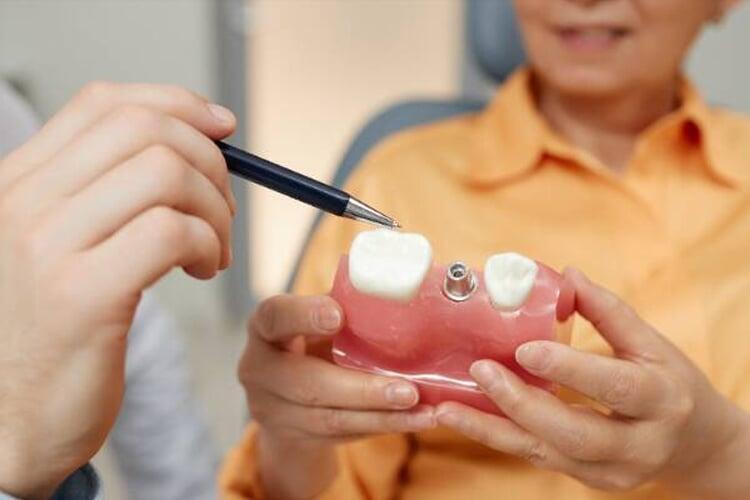
Expertise matters. Implant dentistry requires precise planning, digital diagnostics, and skilled execution. A trained implantologist ensures that factors like bone volume, implant angulation, and gum condition are assessed thoroughly before surgery.
B. Ensure Proper Pre-Surgical Planning
CBCT scans, digital impressions, and implant simulations help predict the best placement for long-term stability. Good planning minimizes risk and improves success rates.
C. Maintain Excellent Oral Hygiene
Daily brushing, flossing, and the use of interdental brushes keep bacterial buildup under control. Implant-specific cleaning tools can significantly reduce the risk of peri-implantitis.
D. Follow Post-Surgery Instructions Strictly
Avoid smoking, alcohol, and hard foods during healing. Attend all follow-up appointments to monitor progress.
E. Regular Professional Check-ups
Even after healing, implants require periodic maintenance. Dental cleanings every 6 months and implant evaluations help identify early signs of complications.
Dental implants are a life-changing solution, but their long-term success depends on an expert procedure and patient responsibility. By understanding common complications and adopting preventive measures, you can enjoy strong, functional, and natural-looking implants for decades. If you're considering implants, choose a clinic that prioritizes advanced planning, precision placement, and comprehensive aftercare for the safest experience.