Missing teeth can affect your smile, chewing, speech, and overall confidence. Dental implants are a modern, long-lasting solution that replaces missing teeth with a natural-looking and fully functional alternative. Unlike dentures or bridges, implants integrate with the jawbone, providing stability and durability. Understanding the procedure, recovery process, and tips for long-term success can help you feel confident about choosing dental implants.
What Are Dental Implants?
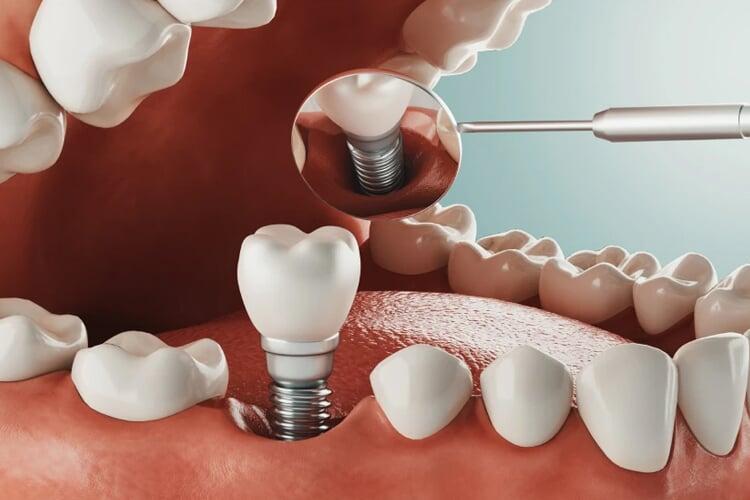
A dental implant is a small titanium post surgically placed into the jawbone to act as a replacement tooth root. Once the implant integrates with the bone, a crown, bridge, or denture is attached, restoring the appearance and function of natural teeth. Implants are suitable for replacing one or multiple teeth and are often preferred for their longevity and natural feel.
The Dental Implant Procedure
1. Consultation and Planning
Your dentist or oral surgeon evaluates your oral health, takes X-rays or 3D scans, and assesses bone density. This helps determine the best implant type, size, and placement.
2. Tooth Extraction (If Needed)
If a damaged or decayed tooth needs replacement, it is first removed. In some cases, implants can be placed immediately after extraction.
3. Implant Placement
The titanium post is surgically inserted into the jawbone under local anesthesia or sedation. The site is closed and allowed to heal.
4. Osseointegration
Over the next few months, the implant fuses with the jawbone in a process called osseointegration. This provides a strong and stable foundation for the replacement tooth.
5. Abutment Placement
Once the implant has integrated, an abutment (connector) is attached to hold the crown or prosthetic in place.
6. Crown or Prosthetic Placement
Finally, a custom-made crown, bridge, or denture is attached to the abutment, completing the restoration and giving you a natural-looking smile.
Recovery After Dental Implants
Tips for Long-Term Success
Maintain Oral Hygiene
Brush and floss regularly, paying attention to the implant area. Use antibacterial mouthwash as recommended by your dentist.
Attend Regular Check-Ups
Routine dental visits ensure your implants are healthy, and any issues are detected early.
Avoid Harmful Habits
Avoid chewing ice, hard candies, or using your teeth as tools. Smoking and excessive alcohol consumption can negatively affect healing and implant longevity.
Healthy Diet and Lifestyle
Eating a balanced diet and managing chronic conditions like diabetes can improve implant success and overall oral health.
Benefits of Dental Implants
* Restore chewing and speaking function
* Look and feel like natural teeth
* Preserve jawbone and prevent bone loss
* Long-lasting solution with proper care
Dental implants offer a reliable and natural solution for missing teeth, providing both aesthetic and functional benefits. By understanding the procedure, following post-operative care, and maintaining healthy oral habits, you can enjoy a confident smile and strong, durable teeth for many years. Consulting an experienced implant specialist is the first step toward achieving optimal results and long-term success.