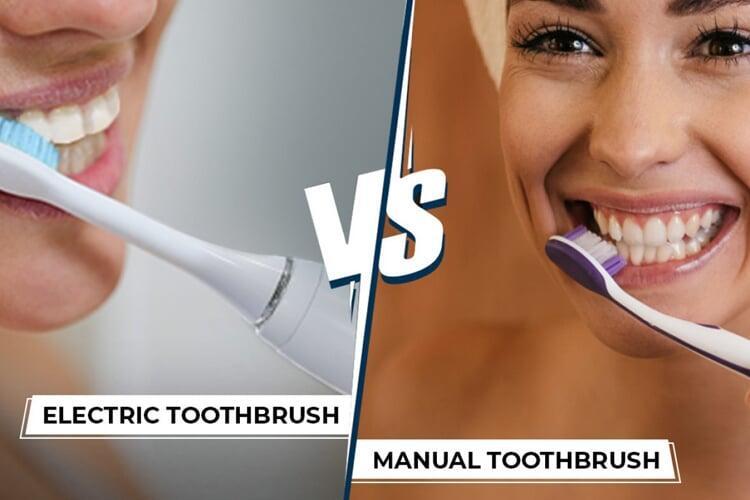
Choosing the right toothbrush is an important step toward maintaining healthy teeth and gums. One of the most common questions patients ask dentists is whether an electric toothbrush is better than a manual toothbrush. Both options can effectively clean your teeth when used correctly, but each has its own advantages depending on your oral health needs, lifestyle, and brushing habits.
Understanding the differences between electric and manual toothbrushes can help you make the best choice for your dental care routine.
How Manual Toothbrushes Work
Manual toothbrushes have been used for decades and remain one of the most affordable and accessible oral hygiene tools. They rely entirely on the user’s brushing technique, pressure, and consistency to remove plaque and food particles.
A good-quality manual toothbrush with soft bristles can effectively clean teeth when used properly for at least two minutes twice daily.
Advantages of Manual Toothbrushes
- Affordable and widely available
- Easy to carry while traveling
- No charging or batteries required
- Available in various sizes and bristle types
- Gives users full control over brushing pressure
Limitations of Manual Toothbrushes
- Requires proper brushing technique
- Easier to miss hard-to-reach areas
- Some people brush too hard, causing gum irritation
- Less effective for people with limited hand mobility
Many people do not brush long enough or use the correct motion with a manual toothbrush, which may reduce cleaning effectiveness.
How Electric Toothbrushes Work
Electric toothbrushes use oscillating, rotating, or vibrating bristle movements to clean teeth more efficiently. These powered movements help remove plaque with less manual effort.
Most modern electric toothbrushes also include advanced features such as timers, pressure sensors, and multiple cleaning modes.
Advantages of Electric Toothbrushes
- More effective plaque removal
- Easier to clean hard-to-reach areas
- Built-in timers encourage proper brushing duration
- Helpful for children and elderly individuals
- Beneficial for people with braces or dental implants
- Reduces excessive brushing pressure
Many studies suggest that electric toothbrushes can reduce plaque and gingivitis more effectively than manual brushes over time.
Limitations of Electric Toothbrushes
- More expensive than manual toothbrushes
- Requires charging or battery replacement
- Less convenient during travel
- Brush heads need regular replacement
Despite the higher cost, many patients find electric toothbrushes easier and more comfortable to use consistently.
What Do Dentists Recommend?
Most dentists agree that both manual and electric toothbrushes can maintain good oral hygiene if used properly. However, many dental professionals often recommend electric toothbrushes because they help improve brushing efficiency and consistency.
Electric toothbrushes are especially recommended for:
- People with gum disease
- Patients wearing braces or aligners
- Individuals with arthritis or limited hand movement
- Children who struggle with proper brushing technique
- People who brush too aggressively
- Patients prone to plaque buildup
That said, a manual toothbrush can still provide excellent results when used with correct brushing habits and regular dental care.
Brushing Technique Matters Most
Regardless of which toothbrush you choose, proper brushing technique is essential.
Dentists recommend:
- Brushing twice daily for two minutes
- Using a soft-bristled toothbrush
- Cleaning all tooth surfaces gently
- Replacing the toothbrush or brush head every 3 months
- Flossing daily alongside brushing
Are Electric Toothbrushes Worth the Cost?
For many people, the answer is yes. Electric toothbrushes can improve cleaning performance, especially for those who struggle with brushing technique or motivation.
However, if you already brush effectively with a manual toothbrush and maintain regular dental visits, there may be no urgent need to switch.
The best toothbrush is ultimately the one you will use correctly and consistently every day.
The debate between electric and manual toothbrushes does not have a one-size-fits-all answer. Both can effectively maintain oral health when used properly. Manual toothbrushes are affordable and convenient, while electric toothbrushes offer advanced cleaning technology and improved ease of use.
Dentists generally favor electric toothbrushes for their superior plaque removal and user-friendly features, especially for individuals with specific dental concerns. However, maintaining good brushing habits, flossing regularly, and visiting the dentist routinely remain far more important than the type of toothbrush you choose.
A healthy smile depends less on the tool itself and more on how consistently you care for your teeth every day.