Gum disease, also known as periodontal disease, is a common but often overlooked oral health condition that affects the tissues supporting the teeth. In its early stages, gum disease may be painless and easy to miss, yet if left untreated, it can lead to tooth loss and impact overall health. Understanding the causes, early warning signs, and available treatment options is key to maintaining healthy gums and a confident smile.
What Is Gum Disease?
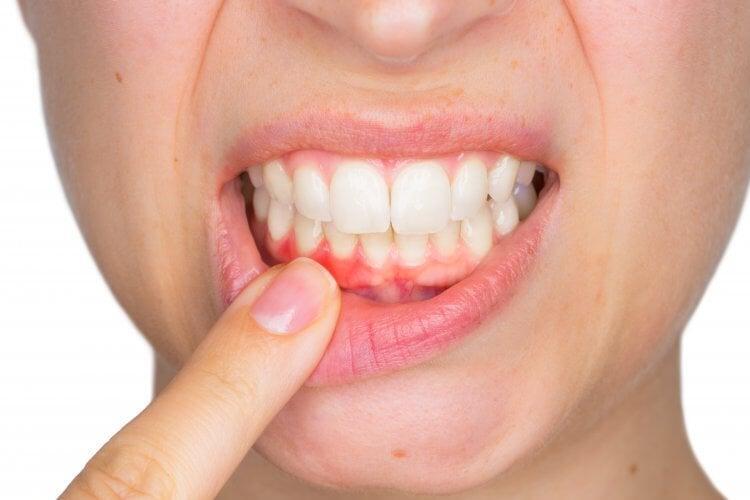
Gum disease is an infection of the gums caused by bacteria found in plaque—a sticky film that forms on teeth. When plaque is not removed through regular brushing and flossing, it hardens into tartar, irritating the gums and triggering inflammation. Gum disease typically progresses in stages, starting with gingivitis and potentially advancing to periodontitis.
Causes of Gum Disease
Poor Oral Hygiene
Inadequate brushing and flossing allow plaque to accumulate along the gum line, making it the leading cause of gum disease.
Smoking and Tobacco Use
Smoking weakens the immune system, reduces blood flow to the gums, and makes it harder for gum tissue to heal, significantly increasing the risk of periodontal disease.
Hormonal Changes
Pregnancy, puberty, menstruation, and menopause can make gums more sensitive and prone to inflammation.
Medical Conditions
Diseases such as diabetes, immune disorders, and blood conditions increase susceptibility to gum infections.
Medications
Certain medications reduce saliva flow or affect gum health, increasing the risk of plaque buildup.
Genetic Factors
Some individuals are more prone to gum disease due to hereditary factors, even with good oral hygiene.
Early Signs and Symptoms
Recognizing early symptoms allows for timely treatment and prevents disease progression. Common early signs include:
* Red, swollen, or tender gums
* Bleeding while brushing or flossing
* Persistent bad breath
* Gums pulling away from the teeth
* Increased tooth sensitivity
In advanced stages, symptoms may include loose teeth, pain while chewing, pus between teeth and gums, and changes in bite alignment.
Best Treatment Options for Gum Disease
Professional Dental Cleaning
In early-stage gingivitis, professional cleaning combined with improved oral hygiene is often sufficient to reverse the condition.
Scaling and Root Planing
This deep-cleaning procedure removes plaque and tartar from below the gum line and smooths tooth roots to help gums reattach to teeth.
Medications
Antibacterial mouthwashes, gels, or antibiotics may be prescribed to control infection and reduce inflammation.
Laser Gum Therapy
Laser treatment is a modern, minimally invasive option that removes infected tissue and promotes healing with less discomfort.
Surgical Treatments
In advanced periodontitis, surgical procedures such as flap surgery or bone and gum grafts may be necessary to restore oral structures.
Preventing Gum Disease
Good oral hygiene is the foundation of gum health. Brush twice daily with a soft-bristled toothbrush, floss regularly, and use antibacterial mouthwash. Regular dental check-ups and professional cleanings are essential for early detection. Quitting smoking, managing systemic health conditions, and maintaining a balanced diet further reduce the risk.
When to See a Dentist
If you notice persistent gum bleeding, swelling, bad breath, or gum recession, it’s important to consult a dentist promptly. Early intervention can prevent tooth loss and protect overall health.
Gum disease is preventable and treatable—especially when detected early. By understanding its causes, recognizing early signs, and seeking timely treatment, you can protect your gums, preserve your teeth, and maintain a healthy smile for life.