
Tooth extraction is a common dental procedure that involves removing a tooth from its socket in the bone. While losing a tooth can sound intimidating, modern dentistry makes extractions safe, relatively quick, and comfortable. Whether it’s due to severe decay, infection, crowding, or injury, understanding the process and knowing what to expect during recovery can help reduce anxiety and promote faster healing.
Why Tooth Extraction May Be Necessary
Not every dental problem can be treated with fillings or crowns. Tooth extraction may be recommended in the following situations:
* Severe Tooth Decay or Infection: When a tooth is too damaged for restoration.
* Gum Disease: Advanced periodontal disease may loosen teeth, making extraction necessary.
* Impacted Teeth: Wisdom teeth that do not erupt properly can cause pain or infection.
* Orthodontic Treatment: Teeth may need removal to make space for proper alignment.
* Trauma or Injury: Severely fractured teeth may require extraction.
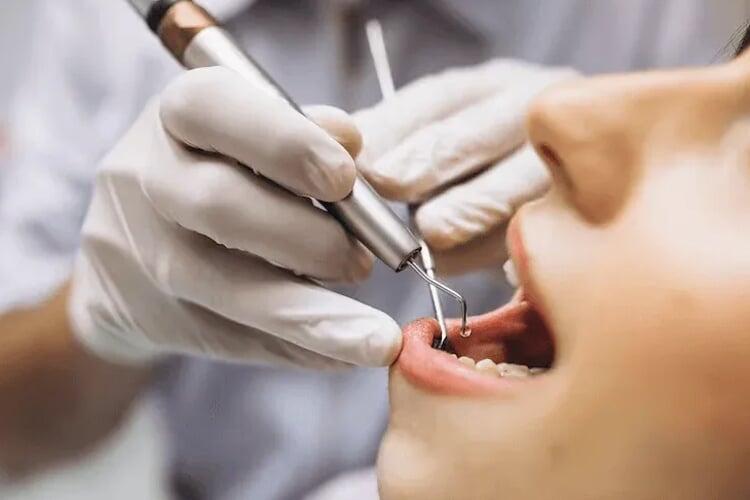
Step-by-Step Tooth Extraction Process
1. Consultation and Examination
Your dentist or oral surgeon will examine the tooth and surrounding tissues, take X-rays, and discuss your medical history. This step ensures that extraction is the best treatment and helps plan the procedure.
2. Anesthesia
Local anesthesia is administered to numb the area around the tooth, ensuring you do not feel pain during the extraction. In some cases, sedation or general anesthesia may be used for complex procedures or anxious patients.
3. Tooth Removal
For a simple extraction, the dentist loosens the tooth using specialized instruments and gently removes it. For surgical extractions, such as impacted wisdom teeth, a small incision in the gum may be needed to access the tooth.
4. Cleaning the Site
Once the tooth is removed, the empty socket is cleaned to remove any debris and reduce the risk of infection.
5. Controlling Bleeding
A gauze pad is placed over the extraction site and gently pressed to control bleeding. Your dentist may provide instructions for replacing the gauze as needed.
6. Stitches (If Needed)
In some cases, dissolvable stitches are used to close the extraction site and promote healing.
Recovery and Aftercare Tips
Proper care after tooth extraction is crucial for preventing complications such as dry socket, infection, or delayed healing. Here are key tips:
1. Manage Bleeding
Keep the gauze in place for a few hours and avoid rinsing, spitting, or using straws immediately after extraction. Gentle pressure helps form a protective blood clot.
2. Reduce Swelling and Pain
Use ice packs on the outside of your cheek for 10–15 minutes at a time during the first 24 hours. Take prescribed pain medications or over-the-counter pain relievers as advised by your dentist.
3. Eat Soft Foods
Stick to soft, cool foods such as yogurt, mashed potatoes, or soups for the first few days. Avoid hard, spicy, or hot foods that may irritate the extraction site.
4. Maintain Oral Hygiene
Brush your teeth gently, avoiding the extraction area for the first day. After 24 hours, rinse gently with warm saltwater to keep the area clean.
5. Avoid Smoking and Alcohol
Smoking and alcohol delay healing and increase the risk of complications, such as infection or dry socket.
6. Rest and Take It Easy
Avoid strenuous activity for the first few days to allow your body to focus on healing.
Signs You Should Contact Your Dentist
While most tooth extractions heal smoothly, contact your dentist if you experience:
* Severe or worsening pain
* Persistent bleeding beyond 24 hours
* Swelling that worsens after 2–3 days
* Fever or signs of infection
* Numbness or tingling that does not improve
Tooth extraction is a routine procedure designed to relieve pain, prevent further dental problems, and improve oral health. Understanding the steps involved and following proper recovery tips can ensure a smooth healing process and minimal discomfort. With modern dental techniques and attentive aftercare, most patients can resume normal activities within a few days while protecting their long-term oral health.