
A bright, confident smile can transform your appearance and boost self-esteem. If you’re unhappy with stained, dull, or uneven teeth, you’ve probably considered teeth whitening or dental veneers. Both treatments enhance your smile, but they work in very different ways.
So how do you decide which option is best for you? In this guide, we’ll break down the differences, benefits, limitations, and ideal candidates for veneers and whitening to help you make an informed decision.
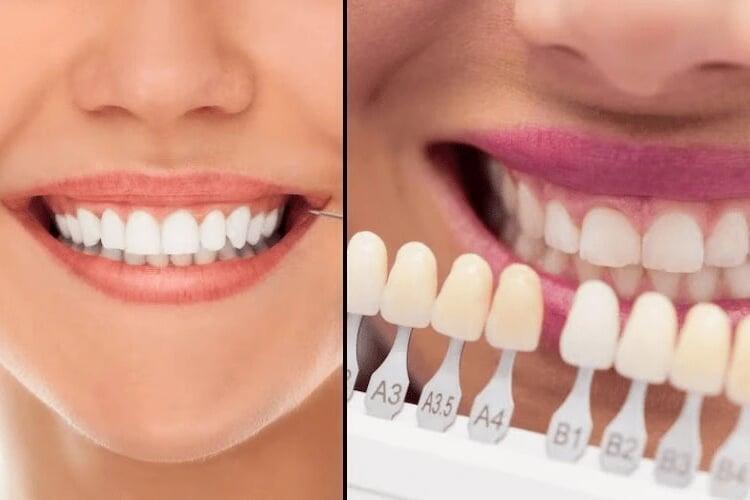
What Is Teeth Whitening?
Teeth whitening is a non-invasive cosmetic procedure that lightens the natural color of your teeth. It works by using bleaching agents (usually hydrogen peroxide or carbamide peroxide) to break down stains on the enamel.
There are two main types:
In-clinic professional whitening
At-home whitening kits (custom trays or strips)
Professional whitening delivers faster and more noticeable results, often brightening teeth by several shades in just one session.
Best For:
Yellow or stained teeth
Mild discoloration
What Are Dental Veneers?
Veneers are thin shells of porcelain or composite resin bonded to the front surface of teeth. Unlike whitening, veneers do not just lighten teeth — they completely transform their appearance.
They can correct:
Severe discoloration
Chipped or broken teeth
Gaps between teeth
Uneven shape or size
Mild alignment issues
Veneers provide a dramatic smile makeover and are customized to match your facial features and preferences.
Best For:
Deep stains that don’t respond to whitening
Cosmetic imperfections beyond color
Patients seeking a long-term aesthetic solution
Key Differences Between Veneers and Whitening
1. Purpose
Whitening improves the color of natural teeth.
Veneers improve both color and shape.
If your only concern is staining, whitening may be sufficient. If you want a complete smile transformation, veneers may be more suitable.
2. Procedure
Whitening is non-invasive and painless.
Veneers require removal of a thin enamel layer before bonding, making it a minimally invasive procedure.
3. Longevity
Professional whitening results typically last 1–3 years, depending on lifestyle habits like smoking or coffee consumption.
Porcelain veneers can last 10–15 years or longer with proper care.
4. Cost
Whitening is significantly more affordable than veneers.
Which Option Gives More Natural Results?
Both treatments can deliver natural-looking results when performed by an experienced dentist.
Whitening enhances your existing teeth color but cannot change shape or alignment.
Veneers offer complete control over size, color, and symmetry — making them ideal for achieving a “perfect” smile.
If you want subtle improvement, whitening is ideal. If you want a celebrity-style smile makeover, veneers may be the better choice.
Limitations to Consider
Whitening Limitations
Does not work on crowns, fillings, or veneers
Less effective for gray or intrinsic stains
Results may fade over time
Veneers Limitations
Irreversible procedure
Higher upfront cost
May require replacement after a decade
Understanding these limitations helps set realistic expectations.
Who Should Choose Teeth Whitening?
You may be a good candidate for whitening if:
Your teeth are healthy and free from decay
You have mild to moderate staining
You want a quick cosmetic improvement
You are on a budget
It’s often recommended as the first step before considering more advanced treatments.
Who Should Choose Veneers?
Veneers may be right for you if:
You have deep stains resistant to whitening
You have chipped, uneven, or misshapen teeth
You want long-lasting cosmetic enhancement
You’re looking for a complete smile makeover
Your dentist will evaluate enamel thickness and overall oral health before recommending veneers.
Can You Combine Both Treatments?
Yes. In some cases, dentists whiten surrounding teeth before placing veneers to ensure a uniform shade.
This combination approach provides a balanced and natural-looking smile.
Maintenance Tips for Both
Regardless of your choice:
Brush twice daily
Floss regularly
Avoid excessive coffee, tea, and tobacco
Visit your dentist every six months
Veneers resist stains better than natural teeth, but good oral hygiene is still essential.
Which Is Best for Your Smile?
There’s no universal answer. The best treatment depends on your goals, dental condition, and budget.
Choose whitening if you want a simple, affordable way to brighten your natural smile.
Choose veneers if you want a dramatic transformation that corrects color, shape, and minor alignment issues.
The smartest step is consulting a qualified cosmetic dentist who can assess your teeth and recommend a personalized treatment plan.
A confident smile is an investment in yourself. Whether you choose whitening or veneers, the right treatment can enhance not just your teeth — but your overall confidence and presence.