
Hearing the words “root canal” often makes people feel nervous, but modern root canal treatment is far more comfortable and effective than many expect. In reality, a root canal is a highly common dental procedure designed to save a damaged or infected tooth and relieve pain — not cause it.
Understanding what happens during a root canal step-by-step can help reduce anxiety and make patients feel more confident before treatment.
What Is a Root Canal?
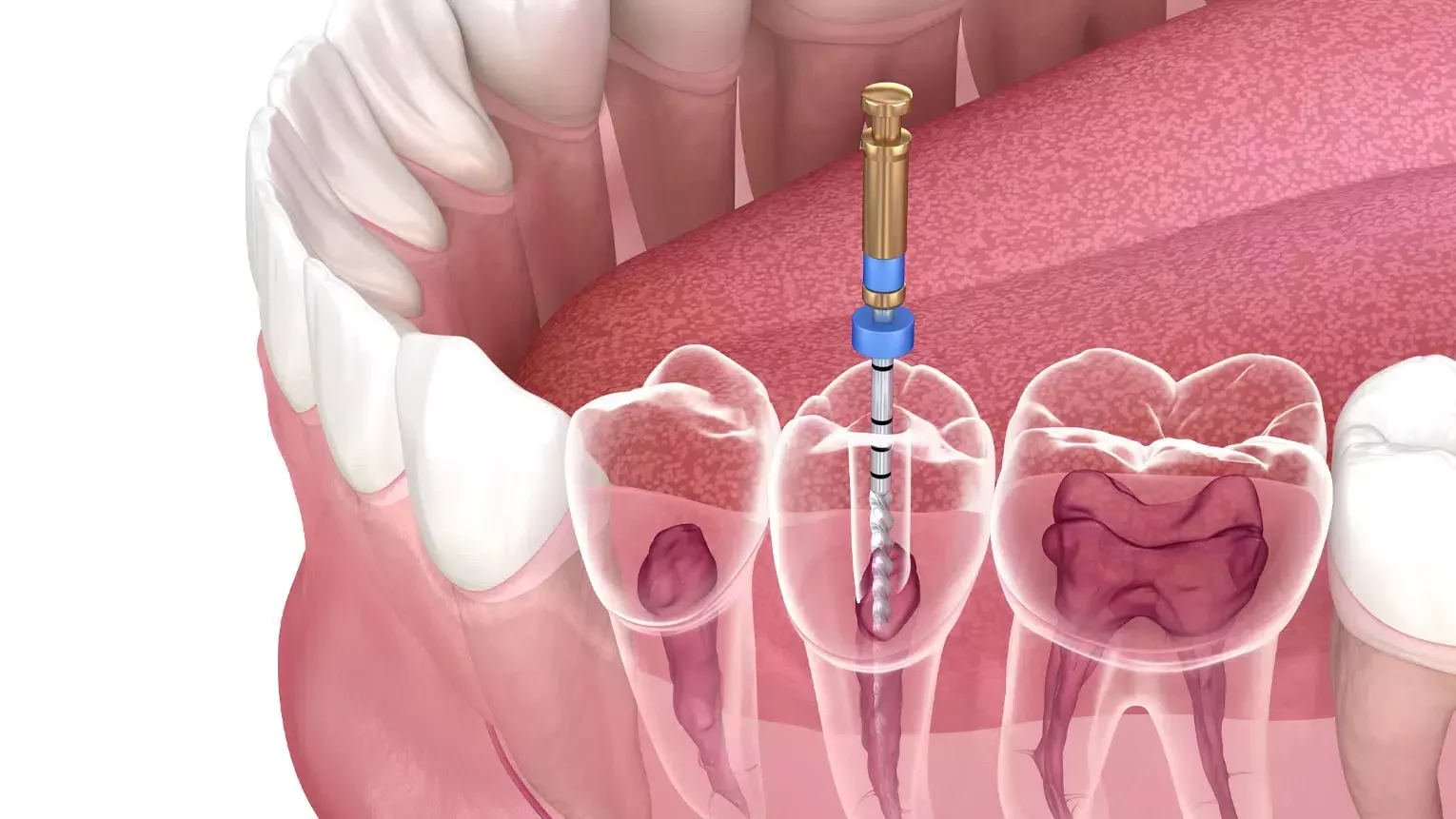
A root canal is a dental procedure used to treat infection or damage inside the tooth. Beneath the hard outer enamel and dentin lies soft tissue called the pulp, which contains nerves, blood vessels, and connective tissue.
When the pulp becomes infected due to deep decay, cracks, trauma, or repeated dental procedures, it can cause severe pain and swelling. If left untreated, the infection may spread and eventually lead to tooth loss.
A root canal removes the infected pulp, cleans the inside of the tooth, and seals it to prevent future infection.
Signs You May Need a Root Canal
Dentists may recommend a root canal if you experience symptoms such as:
- Severe toothache
- Sensitivity to hot or cold
- Swollen gums
- Pain while chewing
- Darkening of the tooth
- Pimple-like swelling on the gums
- Persistent tooth pain
Sometimes, a tooth may require a root canal even without noticeable pain, which is why regular dental check-ups are important.
Step 1: Examination and X-Rays
The first step in root canal treatment is a detailed dental examination. The dentist will examine the affected tooth and usually take X-rays to determine the extent of infection and check the condition of the roots and surrounding bone.
This helps the dentist plan the treatment accurately.
Step 2: Local Anesthesia
Before starting the procedure, the dentist administers local anesthesia to numb the tooth and surrounding area. Modern anesthesia makes root canal treatment relatively painless for most patients.
Many people compare the experience to getting a routine dental filling.
Step 3: Placing a Dental Dam
A small protective sheet called a dental dam is placed around the tooth to keep it clean and dry during the procedure. This also prevents saliva and bacteria from entering the treatment area.
Step 4: Opening the Tooth
The dentist creates a small opening in the top of the tooth to access the infected pulp chamber and root canals inside the tooth.
Using specialized dental instruments, the damaged pulp and infected tissue are carefully removed.
Step 5: Cleaning and Shaping the Canals
Once the infected pulp is removed, the dentist cleans and disinfects the inside of the root canals thoroughly. The canals are then shaped to prepare them for filling.
This step is extremely important because it removes bacteria and reduces the risk of future infection.
In some cases, medication may be placed inside the tooth if the infection is severe.
Step 6: Filling the Root Canals
After cleaning, the empty canals are filled with a rubber-like material called gutta-percha. This material seals the canals and helps prevent bacteria from re-entering the tooth.
The opening is then sealed with a temporary or permanent filling.
Step 7: Placing a Dental Crown
Most root canal-treated teeth require a dental crown afterward, especially molars and teeth used for chewing. A crown strengthens and protects the weakened tooth structure.
Without a crown, the tooth may become more prone to cracking or damage.
The crown is custom-made to match the shape and color of your natural teeth.
Is Root Canal Treatment Painful?
One of the biggest myths about root canals is that they are extremely painful. In reality, the procedure is intended to relieve pain caused by infection.
Thanks to modern dental technology and anesthesia, most patients experience little to no discomfort during treatment. Mild soreness afterward is normal and usually temporary.
Recovery After a Root Canal
After the procedure, patients may experience slight sensitivity or tenderness for a few days. Dentists usually recommend:
- Avoiding chewing on the treated tooth temporarily
- Taking prescribed medications if needed
- Maintaining good oral hygiene
- Returning for crown placement if required
Most people can resume normal activities shortly after treatment.
Benefits of a Root Canal
Root canal treatment offers several important benefits:
Saves the natural tooth
Relieves pain and infection
Prevents tooth extraction
Restores normal chewing function
Maintains natural smile appearance
Saving your natural tooth is generally better than removing it whenever possible.
Saving your natural tooth is generally better than removing it whenever possible.
A root canal is a safe, effective, and routine dental procedure that helps save infected teeth and restore oral health. Understanding the step-by-step process can ease fear and encourage patients to seek timely treatment before dental problems worsen.
Ignoring tooth infections can lead to severe pain, abscesses, and tooth loss. With modern dentistry, root canal treatment is now more comfortable than ever and plays a vital role in preserving your natural smile.