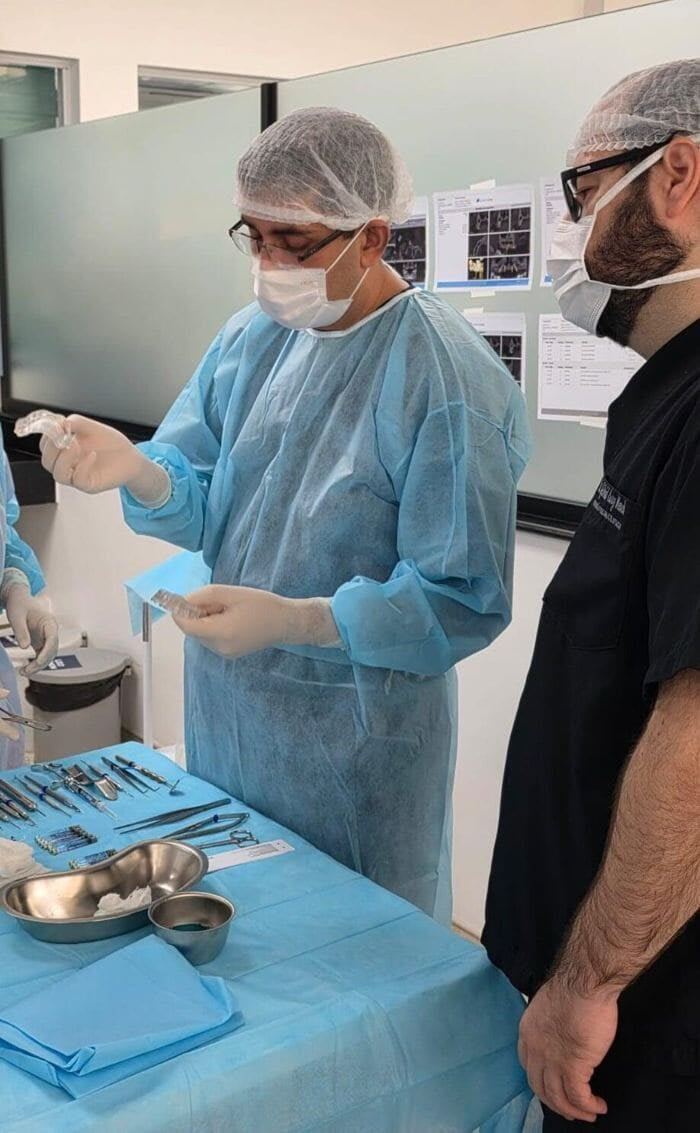
After the second visit of root canal treatment (Stage II), it is normal for the tooth to feel tender or mildly sore, especially when you chew, and for your lips, tongue and nearby teeth to stay numb for several hours. This discomfort is expected and is no reason for alarm. This guide covers the days after root canal second visit (Stage II): what is normal, how to manage pain between root canal appointments, how to protect the temporary filling and when to contact us.
What happens at the second root canal visit (Stage II)
Root canal treatment is usually done in stages. At the first visit, the infected or inflamed pulp is removed, the canals are disinfected and a temporary filling is placed; see our instructions after RCT Stage I. The second visit continues this work:
- Cleaning and shaping: your dentist prepares the root canals with fine hand files and rotary instruments, shaping and contouring them so they can hold a long-lasting root filling.
- Disinfection: the canals are disinfected repeatedly to remove infection and reduce the chance of re-infection. Laser disinfection with a diode laser can be used as an additional step when your dentist feels it will help your tooth.
- Temporary filling: the tooth is sealed again with a temporary filling until the next visit.
One or more further appointments (Stage III) may be needed to complete the treatment, when the canals are sealed. Read what to expect after the final root canal stage, or see what happens during a root canal, step by step.
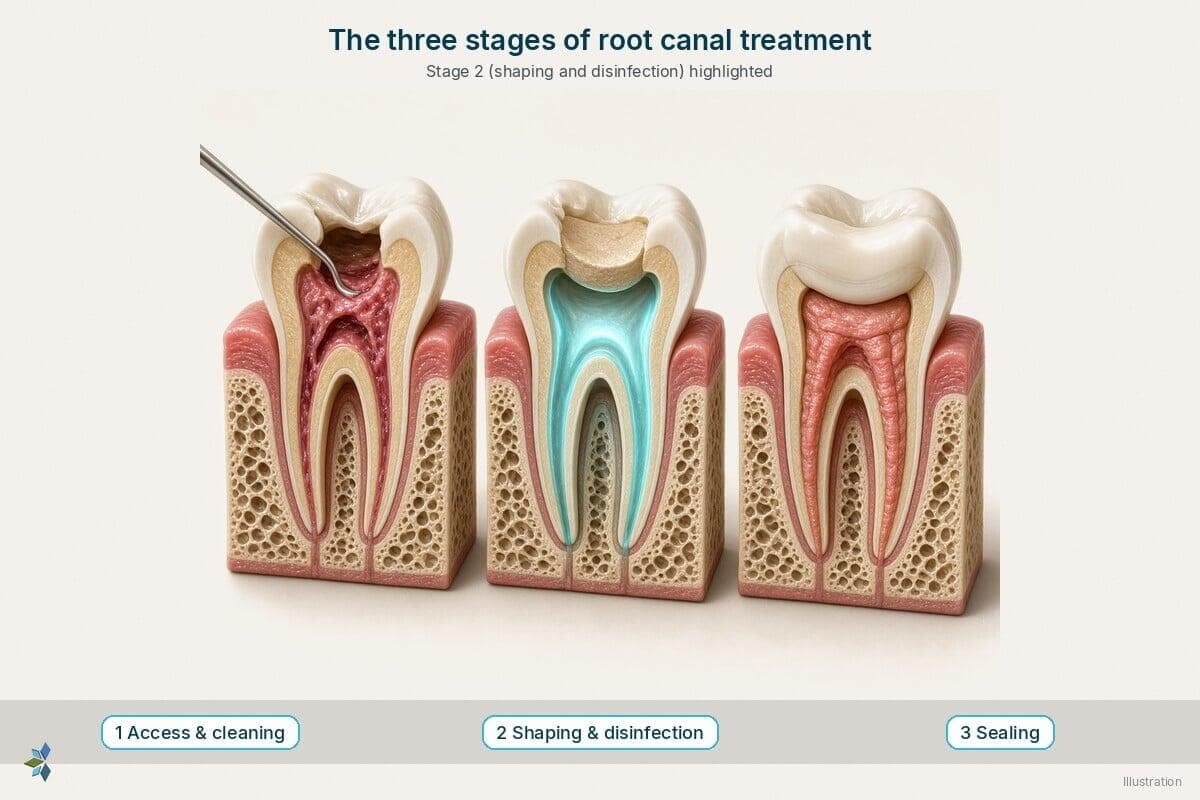
Illustration: the three stages of root canal treatment, with Stage II (shaping and disinfection) highlighted. Simplified. Not a patient photograph.
Numbness after the appointment
The local anaesthetic used to numb the tooth also numbs your lips, tongue and nearby teeth for several hours. While they are numb, it is easy to bite your lip, cheek or tongue without noticing. Avoid chewing anything on the side of the treated tooth until the numbness has completely worn off.
Pain after root canal second visit: what is normal
Some discomfort after the Stage II appointment is normal, especially while chewing. You may notice mild tenderness or a dull ache in the tooth. This tenderness is expected and is not an emergency. The tooth and the area around it may feel sensitive for a few days (ADA MouthHealthy).
If you had pain before your root canal treatment started, it may take some time for the tooth to return to normal. Allow the treatment sufficient time to work.
Pain between root canal appointments
Mild pain between root canal appointments is common, because the tissues around the tooth can stay tender while the canals are being cleaned and treated. It should gradually ease rather than get worse. Pain that is not controlled with painkillers, or swelling that appears suddenly, is not expected; please call us straight away (see "When to contact ADC" below). For more on easing tooth pain, read our guide to toothache treatment.
Managing discomfort: medicines and salt water rinses
- Medicines: take any medicines exactly as your dentist recommends. If antibiotics have been prescribed, take them for the full number of days indicated, even if you have no discomfort or signs of infection.
- If no painkiller was prescribed: if you have sharp pain after the appointment, you can take an over-the-counter painkiller that is suitable for you, following the directions on the pack.
- Warm salt water rinses: to reduce pain, swelling or discomfort, rinse with warm salt water at least 3 to 5 times a day. Dissolve a teaspoon of common salt in a cup of lukewarm water, then rinse, swish and spit. Read more about salt water rinses.
- Keep cleaning: continue to brush and floss normally.
Protecting the temporary filling
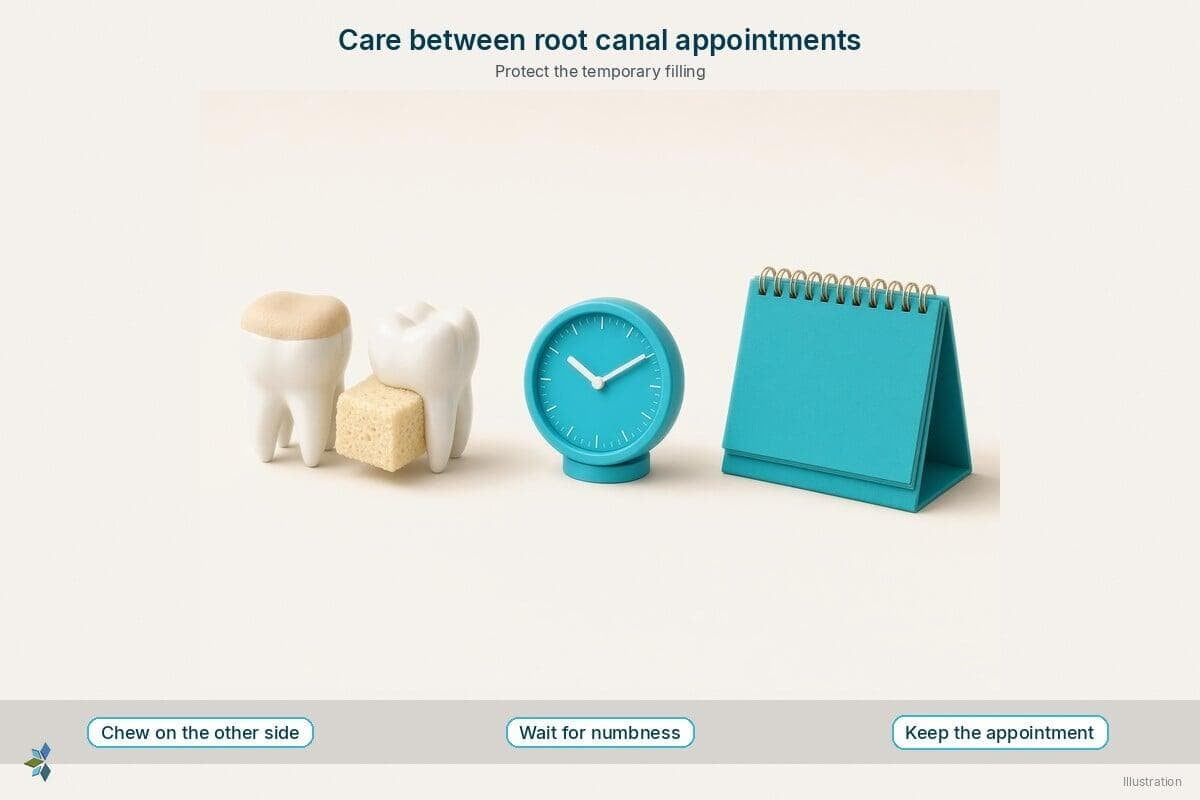
Illustration: simple ways to protect the temporary filling between root canal appointments. Not a patient photograph.
A temporary filling protects and covers the tooth between root canal stages. To look after it:
- Avoid biting hard foods and chewing sticky foods such as chewing gum, caramels and ice.
- Avoid biting your fingernails, pencils or pens.
- If possible, chew on the other side of your mouth.
It is not unusual for a small part of the temporary filling to wear away or break off. If the whole filling comes out, please call us straight away so that it can be replaced without delay.
Why it is important to complete your root canal treatment
Once root canal treatment has started, it is important to complete it. If the remaining stages are not completed on time, the tooth may become re-infected, may fracture, or may be re-contaminated through leakage around the temporary filling. After the canals are sealed, most teeth also need a final restoration; read do you need a crown after root canal treatment?
Keeping the treated tooth healthy
A root canal treated tooth can still decay, so keep up good daily care: brush twice a day, clean between your teeth and keep your regular check-ups. Most root canal treated teeth heal well, but a small number need re-treatment to achieve a good result. Read more about how long a root canal lasts and root canal re-treatment.
When to contact ADC
Please call us promptly if:
- the pain is not controlled with painkillers
- swelling develops suddenly
- the whole temporary filling comes out
- your bite feels high or uneven when you close your teeth together
Get urgent medical help if you have swelling that affects your breathing or swallowing.
Root canal treatment at ADC, Chandigarh
At ADC – Centre for Restorative and Implant Dentistry, root canal treatment, including laser-assisted root canal treatment, is usually carried out by Dr. Rosy Dhawan, MDS (Conservative Dentistry and Endodontics), and crowns are planned by Dr. Mohit Dhawan, MDS (Prosthodontics, Crown & Bridge and Implantology). Find out more on our root canal treatment page, read is root canal treatment painful?, or watch our video on how root canal treatment is performed. The clinic is in Sector 21, Chandigarh, within easy reach of Mohali, Panchkula and Zirakpur.
Frequently asked questions
Is it normal to have pain after the second root canal visit?
Yes. Mild tenderness or a dull ache, especially when chewing, is common after Stage II and is not an emergency. It should ease gradually. Call us if the pain is not controlled with painkillers or if swelling appears suddenly.
When can I eat after my root canal appointment?
Wait until the numbness has completely worn off, so you do not bite your lip or tongue. Then chew on the other side and avoid hard or sticky foods until the treatment is complete.
What should I do if my temporary filling falls out?
A small piece wearing away is not unusual. If the whole filling comes out, call us straight away so it can be replaced without delay, because the open tooth can be re-contaminated.
Can I brush and floss after the second visit?
Yes. Continue to brush and floss normally, and use warm salt water rinses 3 to 5 times a day if the area is sore.
How many visits does root canal treatment take?
Root canal treatment is often completed over two or more appointments. At ADC it is usually done in stages, and one or more further appointments (Stage III) may follow the second visit.
Book a consultation in Chandigarh
This article is general information, not advice for any individual. If you have questions about your root canal treatment, your temporary filling or pain between root canal appointments, please contact ADC – Centre for Restorative and Implant Dentistry:
- Online booking: ADC Zoho Bookings
- Phone: +91-708-780-0016
- Email: help@theadc.dental
- Clinic: ADC- Centre for Restorative and Implant Dentistry, 1197, Sector 21B, Sector 21, Chandigarh, 160022, India
Mon–Fri 10:00 AM–6:30 PM; Sat 10:00 AM–5:00 PM; Sunday closed. You can also request a consultation online.
Reviewed by Dr. Mohit Dhawan, MDS (Prosthodontics, Crown & Bridge and Implantology).
References
- NHS. Root canal treatment — nhs.uk
- American Dental Association, MouthHealthy. Root canals — mouthhealthy.org




 International Team for Implantology
 ISO 9001:2015 Certified
 OHSAS Certified
 Academy of Osseo-Integration
 Indian Prosthodontics Society
 Indian Endodontic Society
 Women Implantology Network
 Indian Dental Association






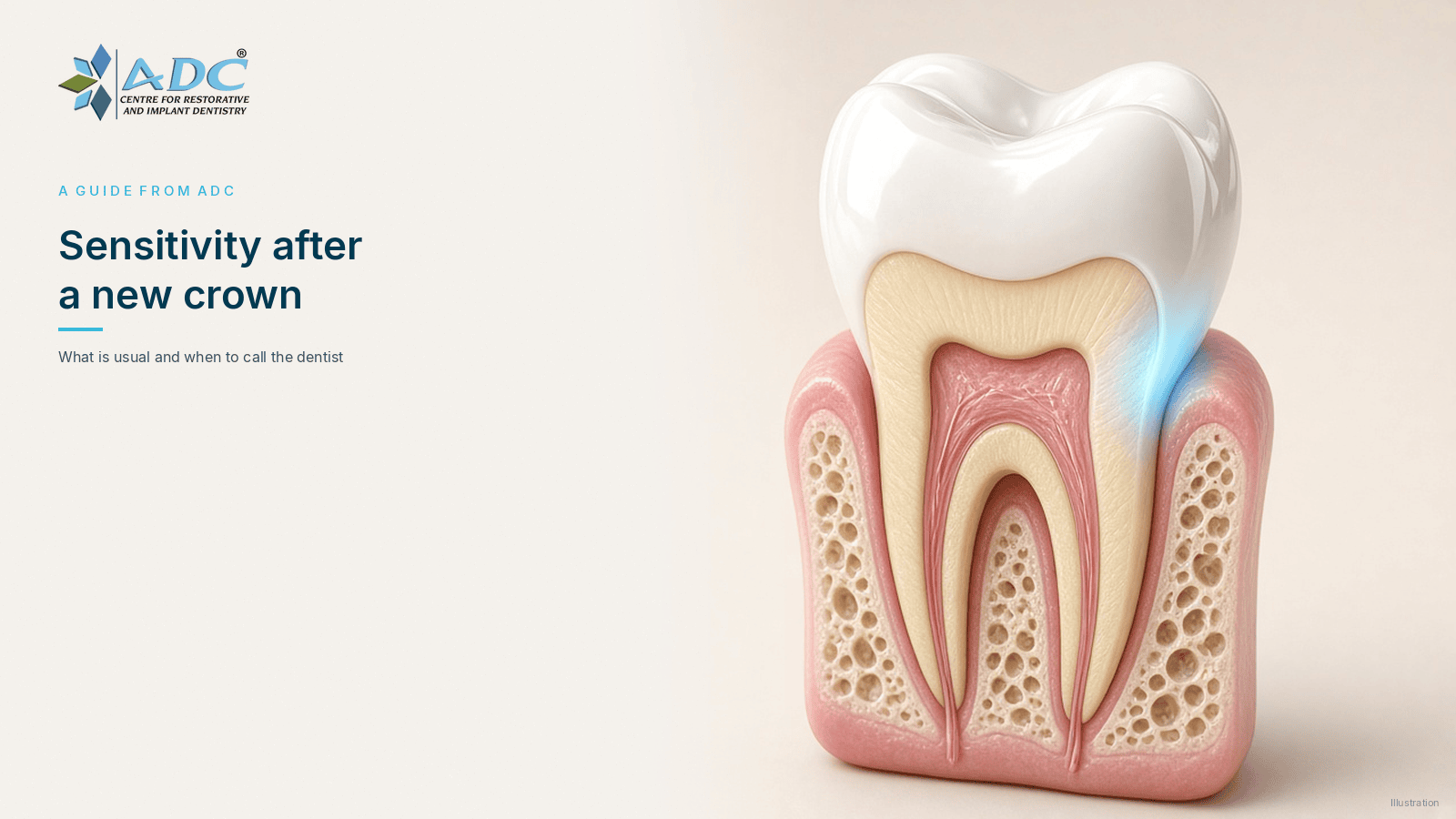 Sensitivity after a new crown: what is usual and when to call the dentist
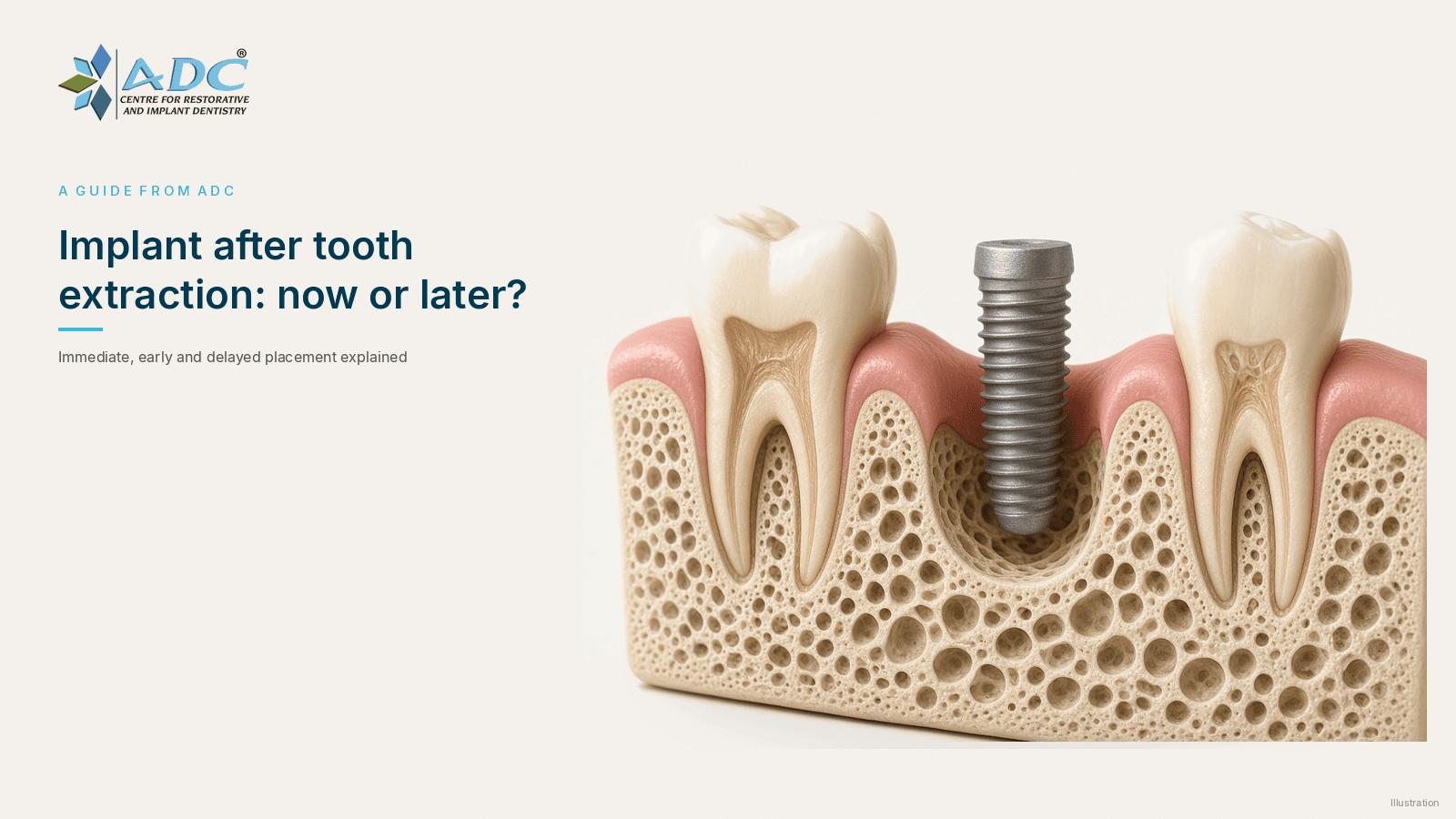 Dental implant after tooth extraction: immediate or delayed placement?
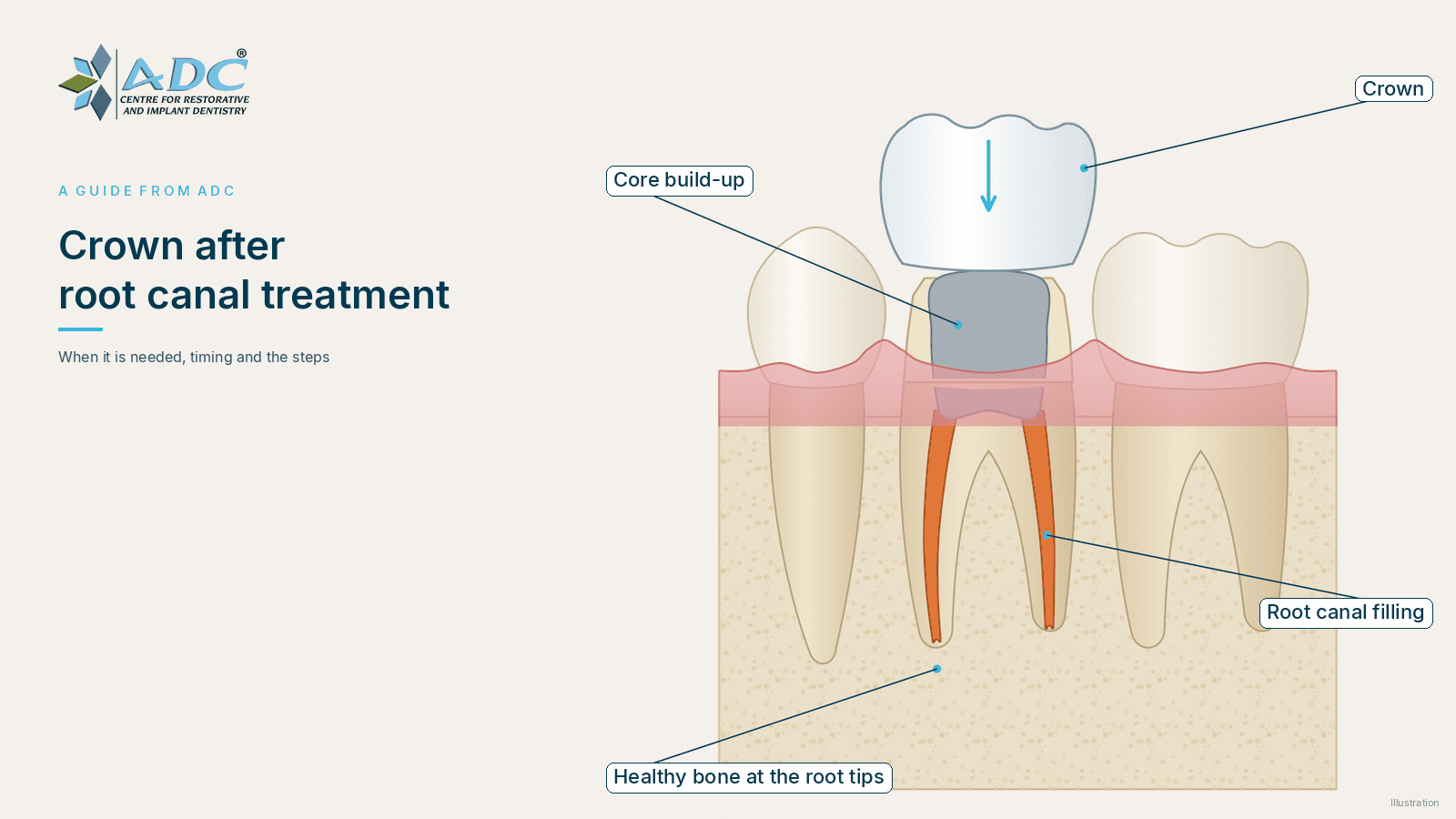 Do you need a crown after root canal treatment?