Your teeth are designed to withstand years of chewing, biting and everyday use. But over time, excessive wear can change their shape, reduce their strength and affect the way your entire mouth functions.
Mild tooth wear may sometimes be managed with preventive care, bonding or fillings. However, when teeth become severely worn down, chipped, cracked or damaged, simple fillings may no longer provide a long-term solution.
This is where full mouth rehabilitation in Chandigarh may be considered. Full mouth rehabilitation is a comprehensive approach that combines restorative, cosmetic and sometimes specialist dental treatments to rebuild damaged teeth and improve overall oral function.
If you have severely worn teeth, understanding the causes, warning signs and available treatment options can help you seek appropriate dental care before the damage progresses.
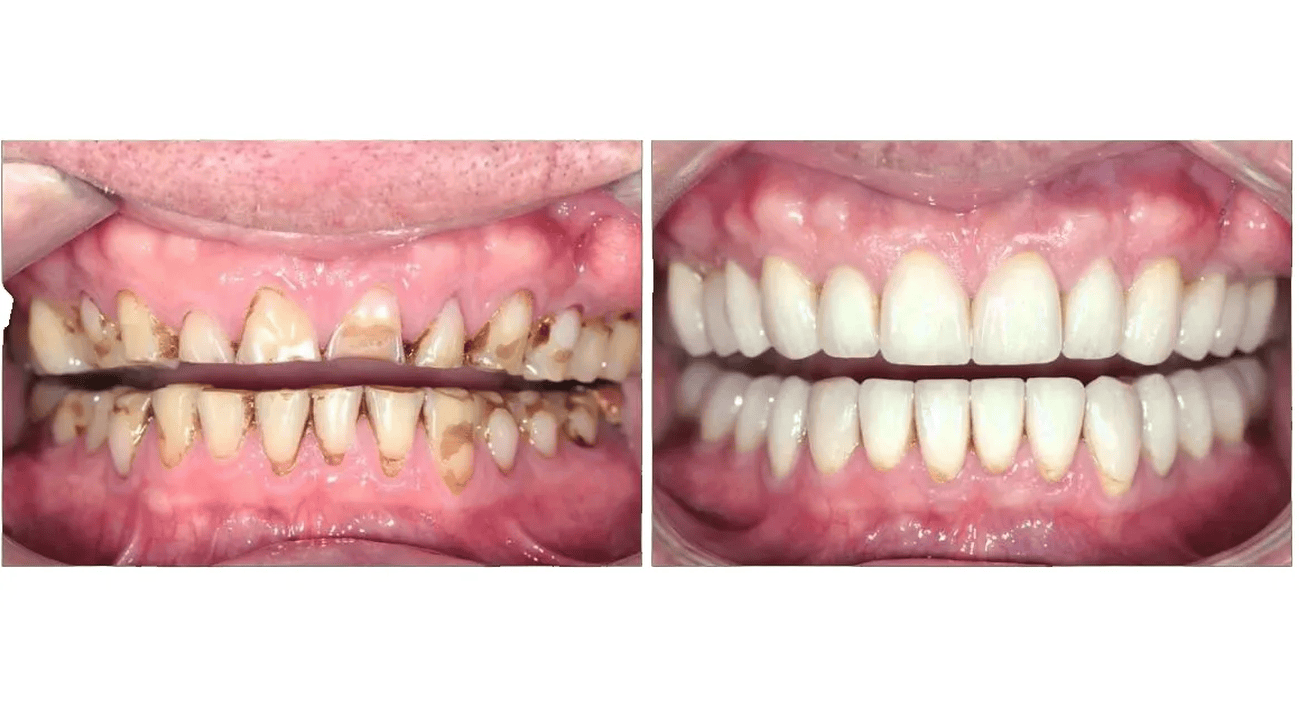
What Causes Teeth to Become Severely Worn Down?
Tooth wear can happen gradually and may have more than one cause. Unlike tooth decay, which results from bacterial damage, tooth wear is often related to mechanical or chemical factors.
Common causes include:
Teeth Grinding and Clenching
Bruxism, or habitual teeth grinding and clenching, can place excessive pressure on the teeth. People who grind their teeth during sleep may not even realize they are doing it.
Over time, grinding can flatten the biting surfaces, create small cracks and cause sensitivity.
Acid Erosion
Frequent exposure to acids can gradually soften and wear away tooth enamel. Acid exposure may come from acidic foods and drinks or, in some cases, from medical conditions that cause frequent acid reflux.
Abrasion
Aggressive tooth brushing or habits such as using teeth to open packages can contribute to mechanical wear.
Age-Related Wear
Some degree of tooth wear is natural as we age. However, significant loss of tooth structure is not something that should simply be accepted as a normal part of ageing.
Bite Problems
An uneven bite can place excessive forces on certain teeth. If some teeth are consistently taking more pressure than others, they may wear or fracture faster.
Signs That Your Teeth May Be Severely Worn Down
Tooth wear can develop slowly, so it is easy to overlook in the early stages.
Some common warning signs include:
- Teeth appearing shorter or flatter
- Increased tooth sensitivity
- Frequent chipping or cracking
- Flattened biting surfaces
- Changes in tooth colour as enamel becomes thinner
- Difficulty chewing certain foods
- Jaw discomfort or morning jaw fatigue
- Headaches associated with clenching or grinding
- Changes in your bite
- Multiple old fillings repeatedly breaking
- Increased spacing or changes in the appearance of your smile
If you notice several of these symptoms, a dental examination can help determine how much tooth structure has been lost and whether the wear is continuing.
Why Simple Fillings May Not Be Enough
Fillings are excellent for repairing localized cavities and relatively small areas of tooth damage. However, severely worn teeth can present a much more complex problem.
When a significant amount of tooth structure has been lost, placing another filling may not adequately restore the tooth's strength, shape or function.
Large fillings can also be subjected to considerable chewing forces. If the underlying tooth is already weakened or the patient continues to grind or clench, the restoration may chip, fracture or fail.
In such situations, your dentist may consider stronger restorative options such as crowns, onlays, veneers or other customized restorations as part of a comprehensive treatment plan.
What Is Full Mouth Rehabilitation?
Full mouth rehabilitation, also called full mouth reconstruction in some situations, involves restoring multiple teeth and addressing the overall function and health of the mouth.
Rather than treating every damaged tooth independently, the dentist evaluates the relationship between the teeth, gums, jaw joints, bite and facial aesthetics.
Depending on your condition, full mouth rehabilitation may involve a combination of:
- Dental crowns
- Bridges
- Onlays or inlays
- Tooth-coloured restorations
- Veneers in selected cases
- Dental implants for missing teeth
- Gum treatment
- Bite correction
- Treatment for teeth grinding
- Root canal treatment where required
- Replacement of failing restorations
The exact combination depends on the individual's dental condition.
How Does Full Mouth Rehabilitation Help?
The objective is not simply to make the teeth look better. A properly planned rehabilitation aims to restore function, stability and aesthetics.
Restoring Tooth Structure
Worn-down teeth can be rebuilt to restore their appropriate shape and dimensions.
Improving Chewing Function
When multiple teeth are damaged or worn, chewing can become inefficient. Restoring the teeth can help improve functional contact between the upper and lower teeth.
Improving Smile Aesthetics
Severely worn teeth can make the smile appear aged or uneven. Carefully designed restorations can improve tooth shape, proportions and overall smile appearance.
Addressing Bite Problems
A comprehensive approach allows the dentist to assess how the upper and lower teeth come together and identify areas experiencing excessive pressure.
Protecting Remaining Tooth Structure
Early diagnosis and appropriate restoration can help prevent further deterioration in vulnerable teeth.
What Happens During Full Mouth Rehabilitation?
Every treatment plan is different, but the process usually begins with a detailed examination.
Step 1: Comprehensive Dental Assessment
Your dentist evaluates your teeth, gums, bite, existing restorations and overall oral health.
Step 2: Digital Imaging and Records
X-rays, photographs, scans, impressions and other diagnostic records may be used to understand the condition of your teeth and jaw.
Step 3: Identifying the Cause
It is important to determine why the teeth have worn down. If grinding, an abnormal bite, acid erosion or another contributing factor is not addressed, restorations may be placed under continued stress.
Step 4: Customized Treatment Planning
The dentist develops a phased plan based on which teeth require urgent treatment and which can be restored later.
Step 5: Restorative Treatment
Depending on the case, damaged teeth may be restored using crowns, bridges, onlays, veneers or other appropriate restorations. Missing teeth may require dental implants or alternative replacement options.
Step 6: Maintenance
Long-term success depends on regular dental check-ups, good oral hygiene and protection against factors that caused the original tooth wear.
Who May Need Full Mouth Rehabilitation?
Full mouth rehabilitation is not required for everyone with worn teeth. It may be considered when multiple teeth have significant structural damage or when tooth wear has affected overall oral function.
Potential candidates may include people with:
- Extensive tooth wear
- Multiple broken or severely damaged teeth
- Significant loss of enamel and tooth structure
- Multiple failing restorations
- Complex bite problems
- Missing teeth combined with worn teeth
- Severe dental erosion
- Long-term grinding or clenching
- Significant functional and aesthetic concerns
A detailed examination is essential before deciding whether full mouth rehabilitation is appropriate.
Why Choose Full Mouth Rehabilitation in Chandigarh?
If you are searching for full mouth rehabilitation in Chandigarh, it is important to choose a dental clinic that takes a comprehensive approach rather than treating each problem in isolation.
Severely worn teeth can involve multiple factors, including tooth structure, bite, gums, jaw function and aesthetics. Careful diagnosis and coordinated treatment planning can therefore be important for achieving predictable results.
At ADC | Dental, patients with worn, damaged or extensively restored teeth can undergo a detailed evaluation to understand the condition of their teeth and explore suitable restorative options.
Frequently Asked Questions
Can severely worn teeth be restored?
In many cases, worn teeth can be restored, but the appropriate treatment depends on how much healthy tooth structure remains and the underlying cause of the wear.
Are fillings suitable for worn-down teeth?
Fillings can be appropriate for limited damage. However, when extensive tooth structure has been lost, a larger or more comprehensive restoration may provide a more suitable solution.
Is full mouth rehabilitation only for cosmetic purposes?
No. Full mouth rehabilitation can address both functional and aesthetic concerns. Treatment may focus on restoring chewing ability, tooth structure, bite stability and smile appearance.
Can teeth grinding damage dental restorations?
Yes. Persistent grinding or clenching can place significant forces on teeth and restorations. Your dentist may recommend measures such as a customized night guard when appropriate.
Don't Wait Until Worn Teeth Become Broken Teeth
Severely worn-down teeth are not simply a cosmetic concern. Progressive tooth wear can affect sensitivity, chewing, bite stability and the strength of the remaining teeth.
If your teeth have become noticeably shorter, flatter or damaged—or if fillings repeatedly break—it may be time for a comprehensive dental evaluation.
If you are looking for full mouth rehabilitation in Chandigarh, consult ADC | Dental to understand the condition of your teeth and explore a personalized treatment plan. Early assessment can help identify the causes of tooth wear and determine whether fillings, crowns, onlays, dental implants or a more comprehensive rehabilitation approach may be appropriate.